
10% Discount for Orders over $300
15% Discount for Orders over $500
FOR SHIPPING UPDATES - CONTACT - SHOP@GIORGIODEMARIA.COM
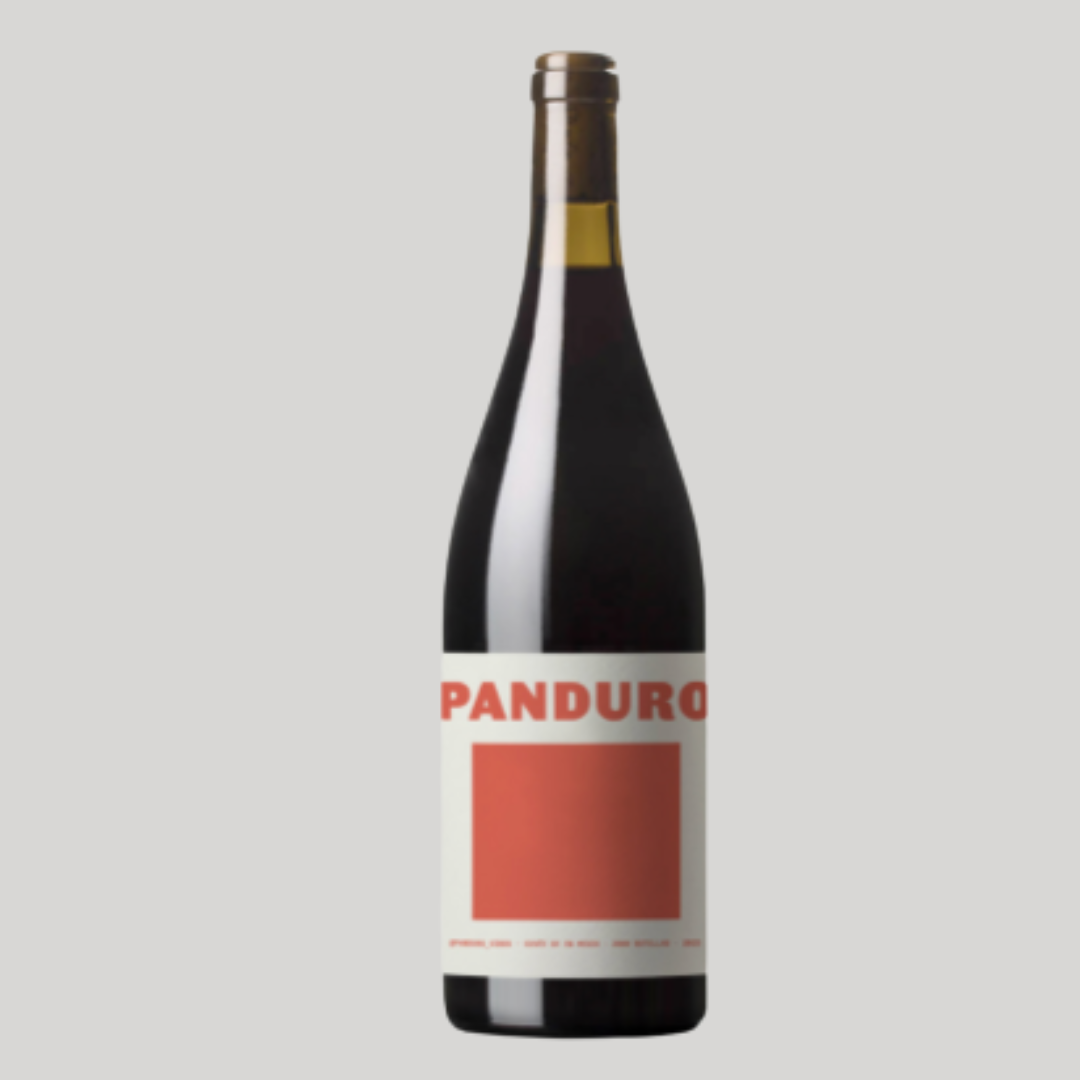
Region of Spain: Mallorca
Producer: Panduro
Vintage: 2023
Vitigno: Monastrell
A red made from 95% Monastrell and other ancient local varieties from an old vineyard on limestone soils in Valle Hoya de Torres, Jumilla at 800m altitude. 30% of the grapes were destemmed, the rest direct press, then co-maceration for 10 days. Aged six months in 500L used French oak tonneaux, it’s a light to medium body red, dark fruited, highly mineral and with a lovely tannin structure.
Originally from the Basque Country, Ibon began his winemaking journey in a restless, almost nomadic way, moving across Mediterranean regions rather than settling in one spot. Today his work spans both Mallorca and Murcia. A major turning point came in 2021, when he purchased his first vineyard, an old planting of callet and mantonegro near Felanitx, in the southeast of Mallorca.
In Jumilla, he works with mature monastrell vines and other local varieties in the Valle Hoya de Torres, using a similarly communal cellar located close to the vineyards.
Service tips: Gazpacho Jumiliano con torta cencena
Region of Spain: Mallorca
Producer: Panduro
Vintage: 2024
Vitigno: 70% Callet and 30% Mantonegro
A remarkable light red made from 70% Callet and 30% Mantonegro from an old vineyard on clay-limestone soils in Felanitx and Porreras, Mallorca. Fourteen days maceration of grapes fully destemmed with some whole bunches. Aged six months in 500L used French oak tonneaux, it’s a profound red, light, highly mineral, and brimming with Mediterranean garrigue spice.
Originally from the Basque Country, Ibon began his winemaking journey in a restless, almost nomadic way, moving across Mediterranean regions rather than settling in one spot. Today his work spans both Mallorca and Murcia. A major turning point came in 2021, when he purchased his first vineyard, an old planting of callet and mantonegro near Felanitx, in the southeast of Mallorca.
In Jumilla, he works with mature monastrell vines and other local varieties in the Valle Hoya de Torres, using a similarly communal cellar located close to the vineyards.
Service tips: some Pata Negra
Region of Spain: Mallorca
Producer: Panduro
Vintage: 2024
Vitigno: Callet
This delicate red is made from 100% Callet grown on clay-limestone soils in Sineu and Petra, Mallorca. Sixteen days of maceration, approximately 10% whole bunch layered "lasagna style" with destemmed grapes. Aged six months in 500L used French oak tonneaux, it’s a remarkable red—profound yet light, highly mineral, and brimming with Mediterranean garrigue spices.
Originally from the Basque Country, Ibon began his winemaking journey in a restless, almost nomadic way, moving across Mediterranean regions rather than settling in one spot. Today his work spans both Mallorca and Murcia. A major turning point came in 2021, when he purchased his first vineyard, an old planting of callet and mantonegro near Felanitx, in the southeast of Mallorca.
In Jumilla, he works with mature monastrell vines and other local varieties in the Valle Hoya de Torres, using a similarly communal cellar located close to the vineyards.
Service tips: chill and go to the beach
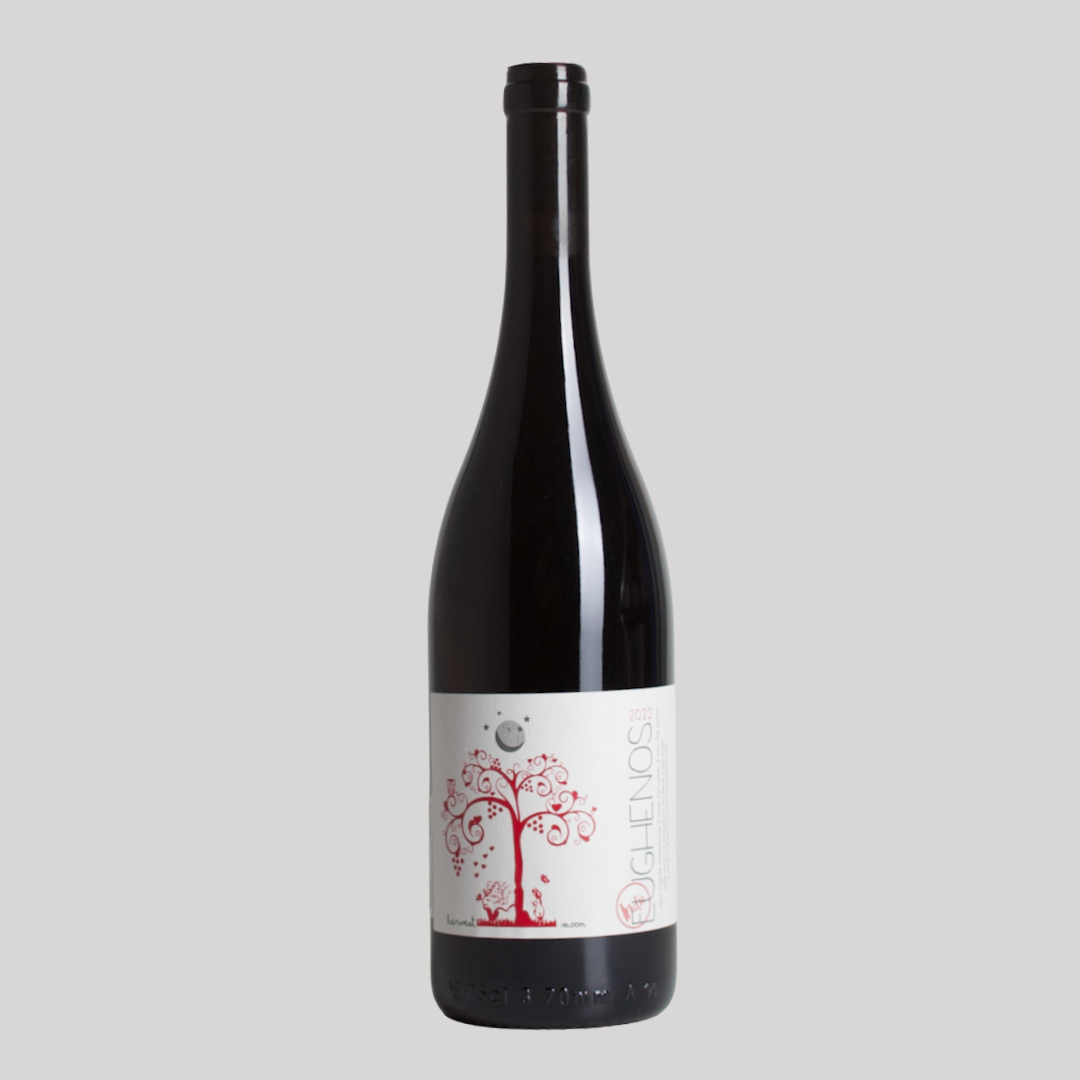
Region of Italy: Abruzzo
Producer: Mariapaola DI Cato
Vintage: 2022
Vitigno: Montepulciano
Eughenos, a cerasuolo dark rosato style of Montepulciano, invites an intimate, delicate, and contemplative way of drinking. Made from grapes grown at 335 metres above sea level on loose, calcareous soils with small gravel, the wine undergoes a short overnight maceration followed by spontaneous fermentation in open vats, then seven months in stainless steel. Unfiltered and unfined, it is juicy yet structured, showing vibrant fruit with distinctive notes of wild strawberry and rose petal. Refreshing acidity carries the palate, giving a wine that feels profound yet gentle, expressive and ageworthy.
Service tips: Ventricina della Valle Peligna or Mortadella di Campotosto
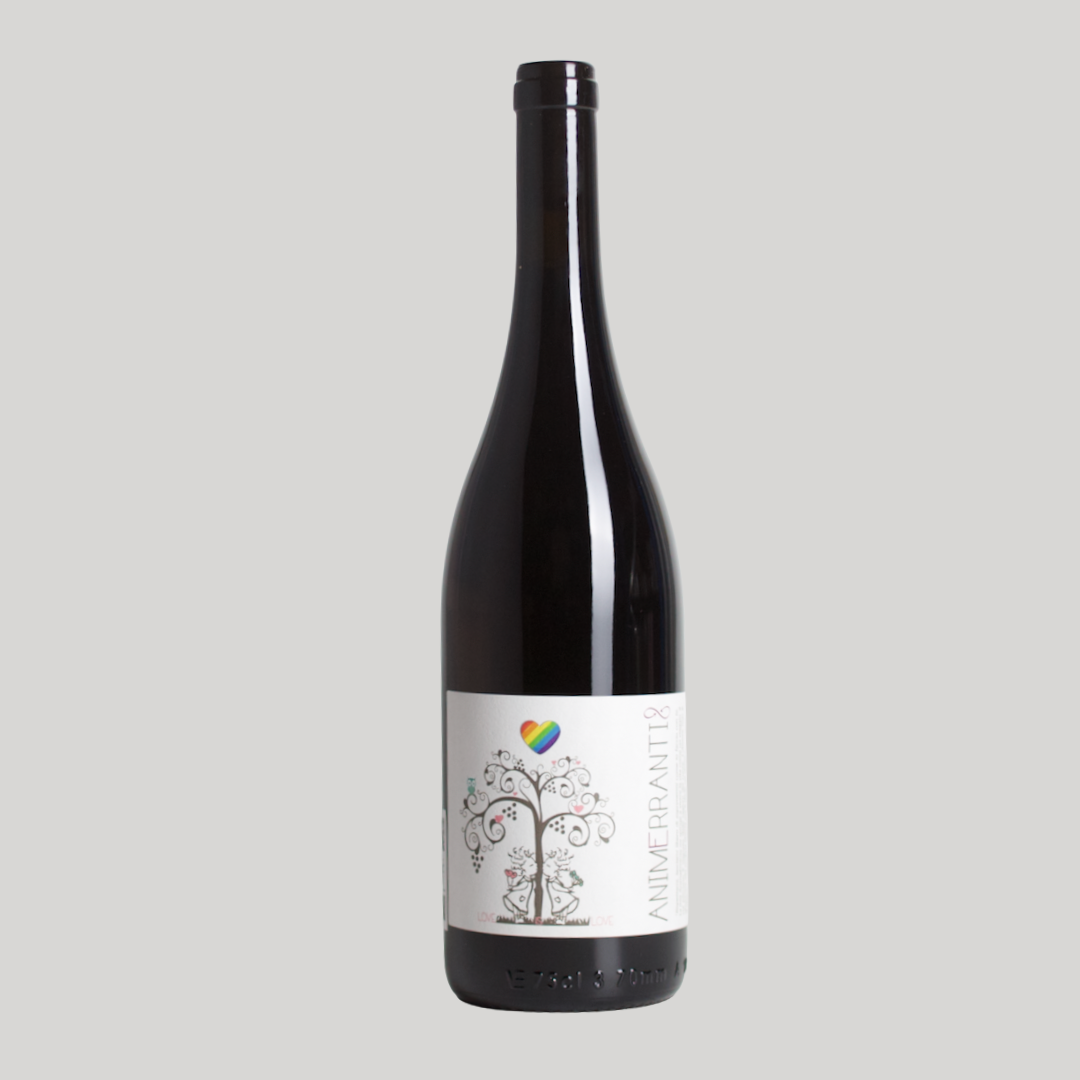
Region of Italy: Abruzzo
Producer: Mariapaola DI Cato
Vintage: 2022
Vitigno: Montepulciano
Anime Erranti is a red wine made from 100% Montepulciano grown in the estate’s oldest vineyards at 335 metres above sea level on loose, calcareous soils with small gravel. The grapes are hand-harvested, destemmed, and left to macerate during a slow, spontaneous fermentation encouraged by the cool temperatures of late October. Manual punch-downs are carried out daily to gently extract colour and aroma. After fermentation, the wine is racked and aged for 12 months in stainless steel, refining naturally. Juicy and expressive, it shows cherry and red plum aromas with subtle licorice and spice notes.
Service tips: Arrosticini!

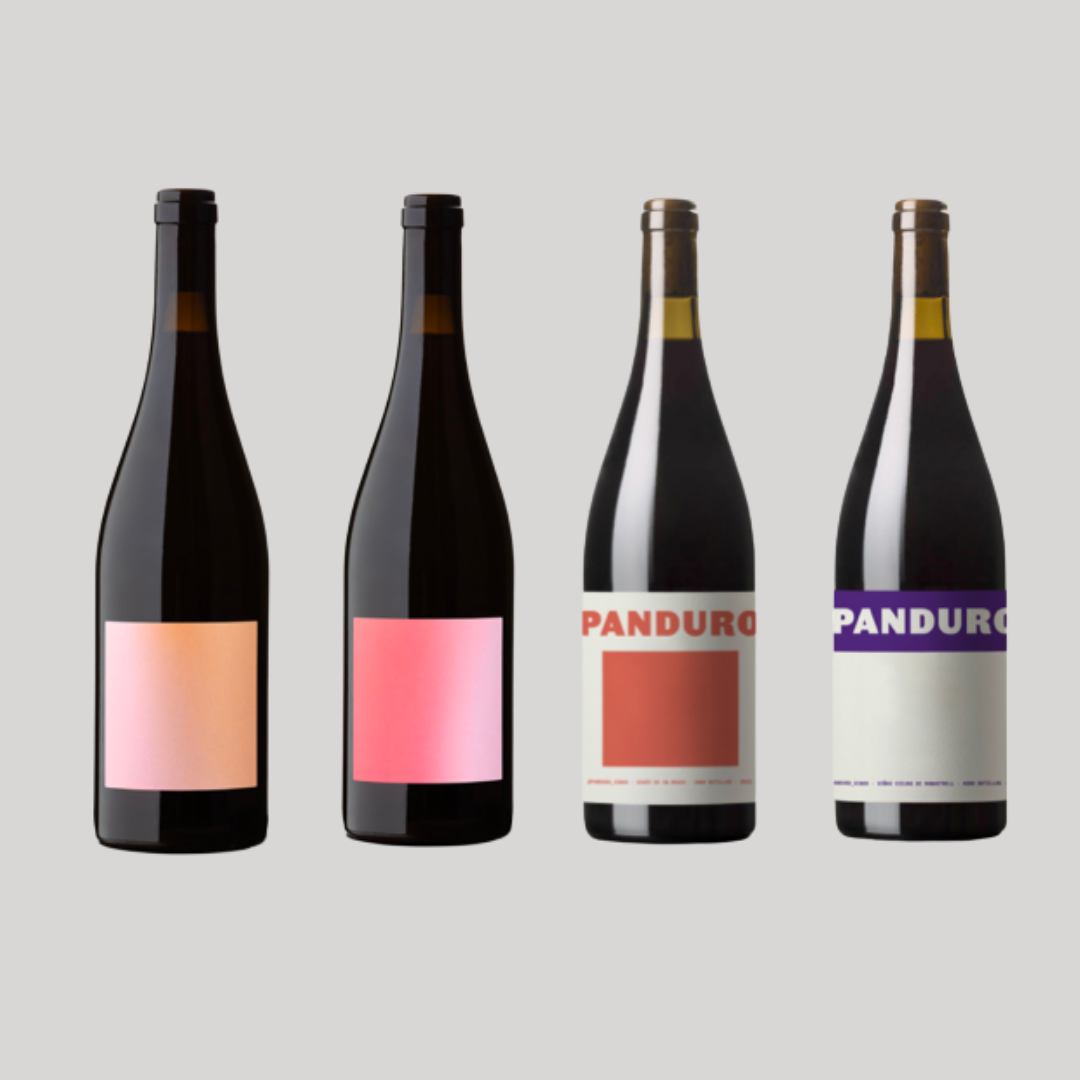
Originally from the Basque Country, Ibon began his winemaking journey in a restless, almost nomadic way, moving across Mediterranean regions rather than settling in one spot. Today his work spans both Mallorca and Murcia. A major turning point came in 2021, when he purchased his first vineyard, an old planting of callet and mantonegro near Felanitx, in the southeast of Mallorca.
In Jumilla, he works with mature monastrell vines and other local varieties in the Valle Hoya de Torres, using a similarly communal cellar located close to the vineyards. [Value of this pack is $264]
Quarto 2024
This delicate red is made from 100% Callet grown on clay-limestone soils in Sineu and Petra, Mallorca. Sixteen days of maceration, approximately 10% whole bunch layered "lasagna style" with destemmed grapes. Aged six months in 500L used French oak tonneaux, it’s a remarkable red—profound yet light, highly mineral, and brimming with Mediterranean garrigue spices.
Quarterada 2024
A remarkable light red made from 70% Callet and 30% Mantonegro from an old vineyard on clay-limestone soils in Felanitx and Porreras, Mallorca. Fourteen days maceration of grapes fully destemmed with some whole bunches. Aged six months in 500L used French oak tonneaux, it’s a profound red, light, highly mineral, and brimming with Mediterranean garrigue spice.
Cuvee de en medio 2023
A red made from 95% Monastrell and other ancient local varieties from an old vineyard on limestone soils in Valle Hoya de Torres, Jumilla at 800m altitude. 30% of the grapes were destemmed, the rest direct press, then co-maceration for 10 days. Aged six months in 500L used French oak tonneaux, it’s a light to medium body red, dark fruited, highly mineral and with a lovely tannin structure.
Jumilla 2022
A red made from 95% Monastrell and other ancient local varieties from an old vineyard on limestone soils in Valle Hoya de Torres, Jumilla at 800m altitude. Sixteen days maceration with mostly destemmed grapes. Aged six months in 500L used French oak tonneaux, it’s a light to medium body red, dark fruited, highly mineral and with a lovely tannin structure.
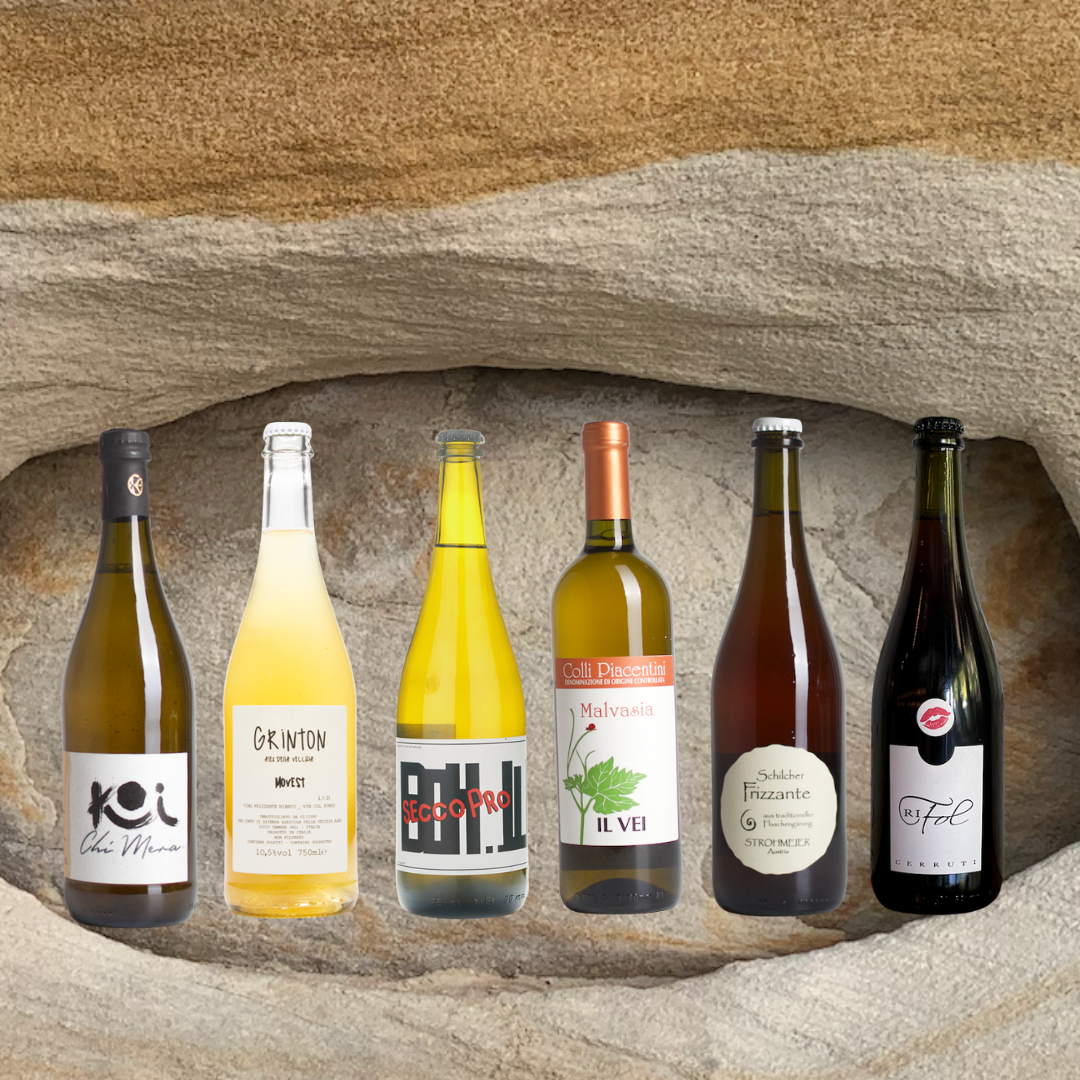
A pack full of fun bubbles
2023 Koi Bianco Frizzante (Pignotello, Montuni), Emilia Romagna – Italy
2020 Alessandro Della Vecchia Grinton Frizzante (Chardonnay), Veneto – Italy
2020 Farnea Bohlla (Glera, Friulano), Veneto – Italy
2022 Il Vei Malvasia Frizzante (Malvasia), Emilia Romagna – Italy
2022 Strohmeier Schilcher Frizzante (Blauer Wildbacher), Styria – Austria
2022 Ezio Cerruti Rfiol Rosato (Moscato di Canelli, Freisa), Piemonte – Italy
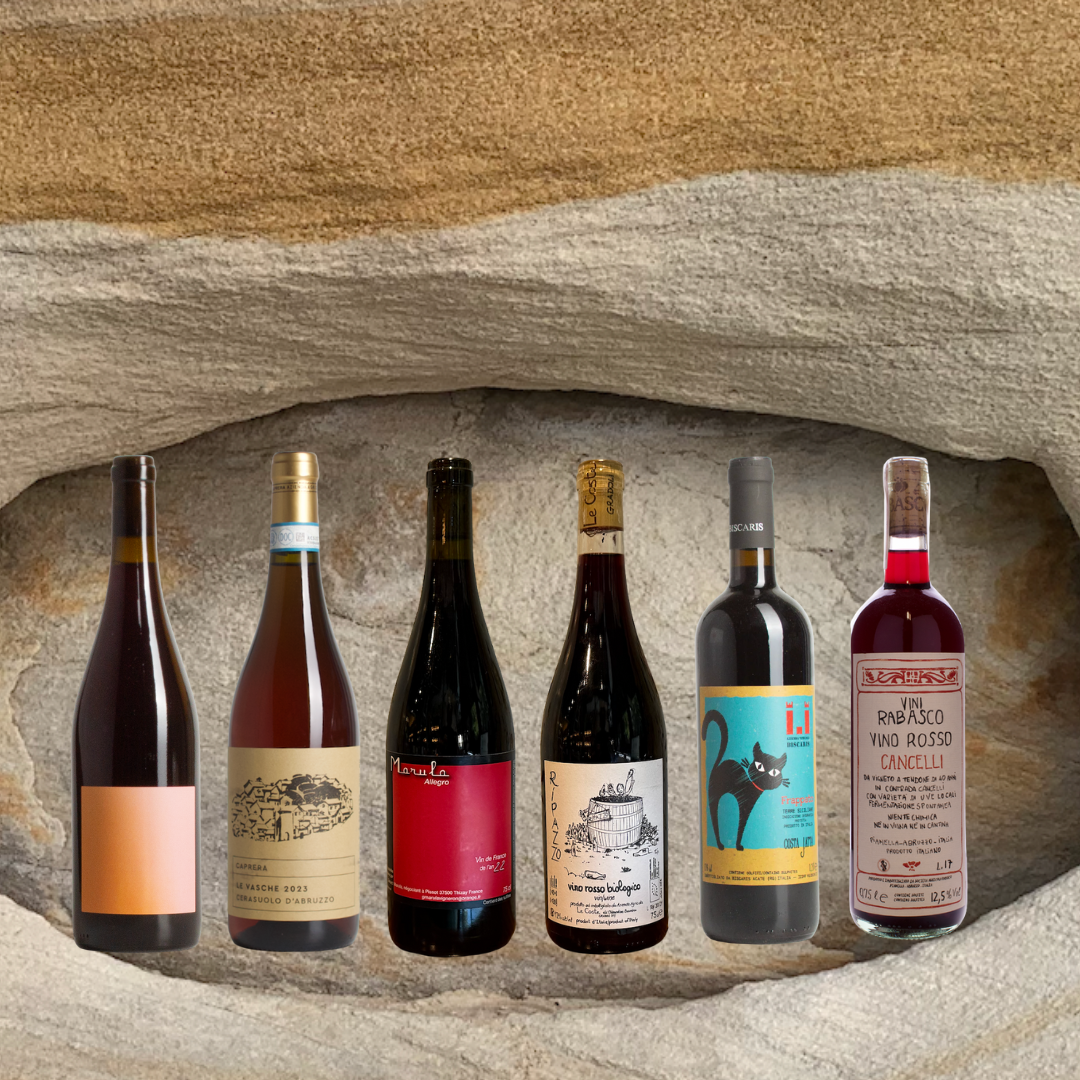
2024 Panduro Quarto (Callet), Mallorca – Spain
2023 Caprera Le Vasche Cerasuolo d'Abruzzo (Montepulciano), Abruzzo – Italy
2022 Gérard Marula Allegro (Grolleau), Loire Valley – France
2019 Le Coste Ripazzo Rosso (Sangiovese, Aleatico), Lazio – Italy
2024 Biscaris Costa Jatta (Frappato), Sicilia – Italy
2021 Rabasco Rosso Cancelli (Montepulciano), Abruzzo – Italy
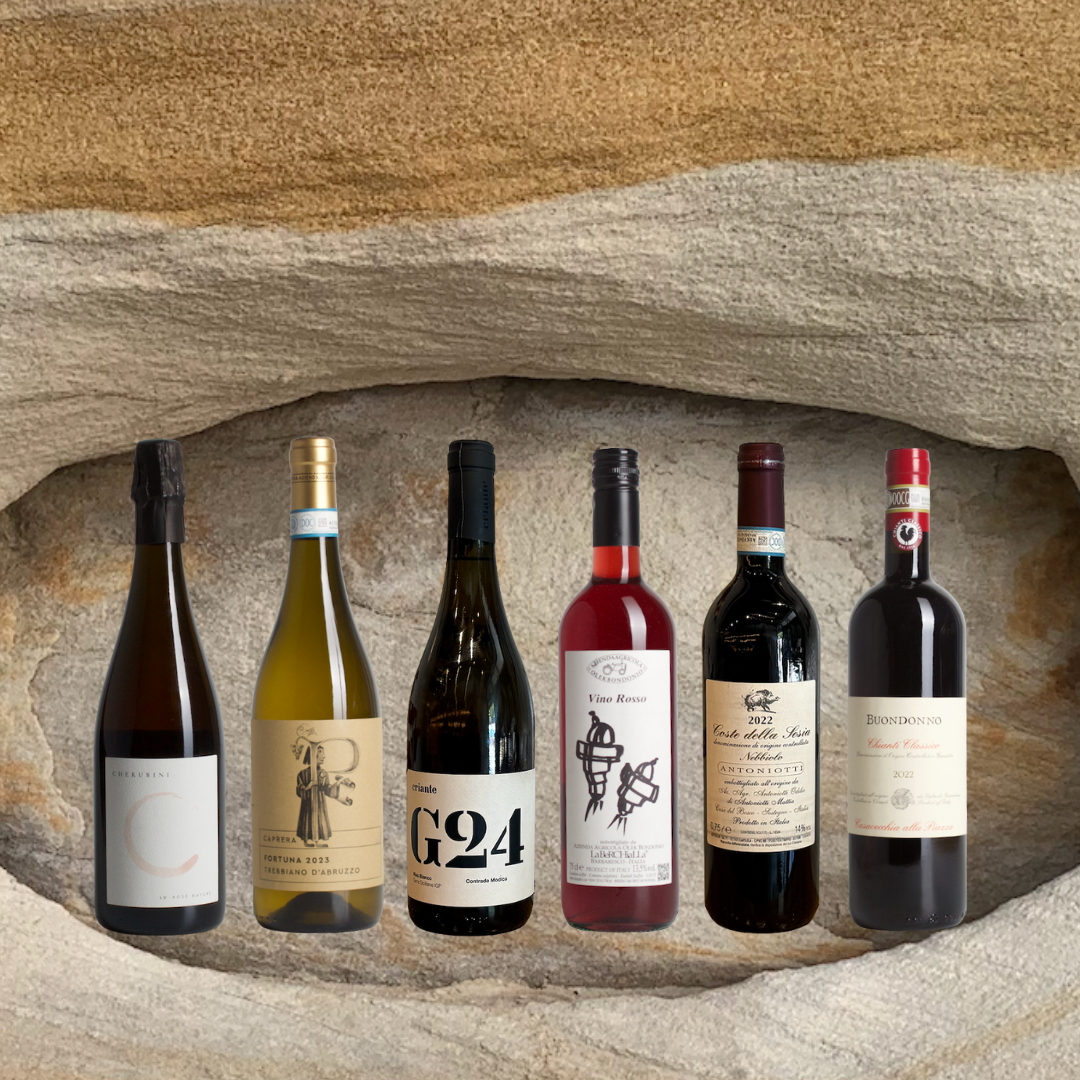
A magnifient collection
2018 Cherubini Levis Rosé (Pinot Noir), Lombardia – sparkling
2023 Caprera Fortuna Trebbiano d’Abruzzo (Trebbiano), Abruzzo – white
2023 Criante G24 (Grillo), Sicilia – white
2023 Olek Bondonio Vino Rosso (Nebbiolo), Piemonte – dark rose’
2022 Antoniotti Coste della Sesia (Nebbiolo), Piemonte – red
2022 Buondonno Chianti Classico (Sangiovese), Toscana – red
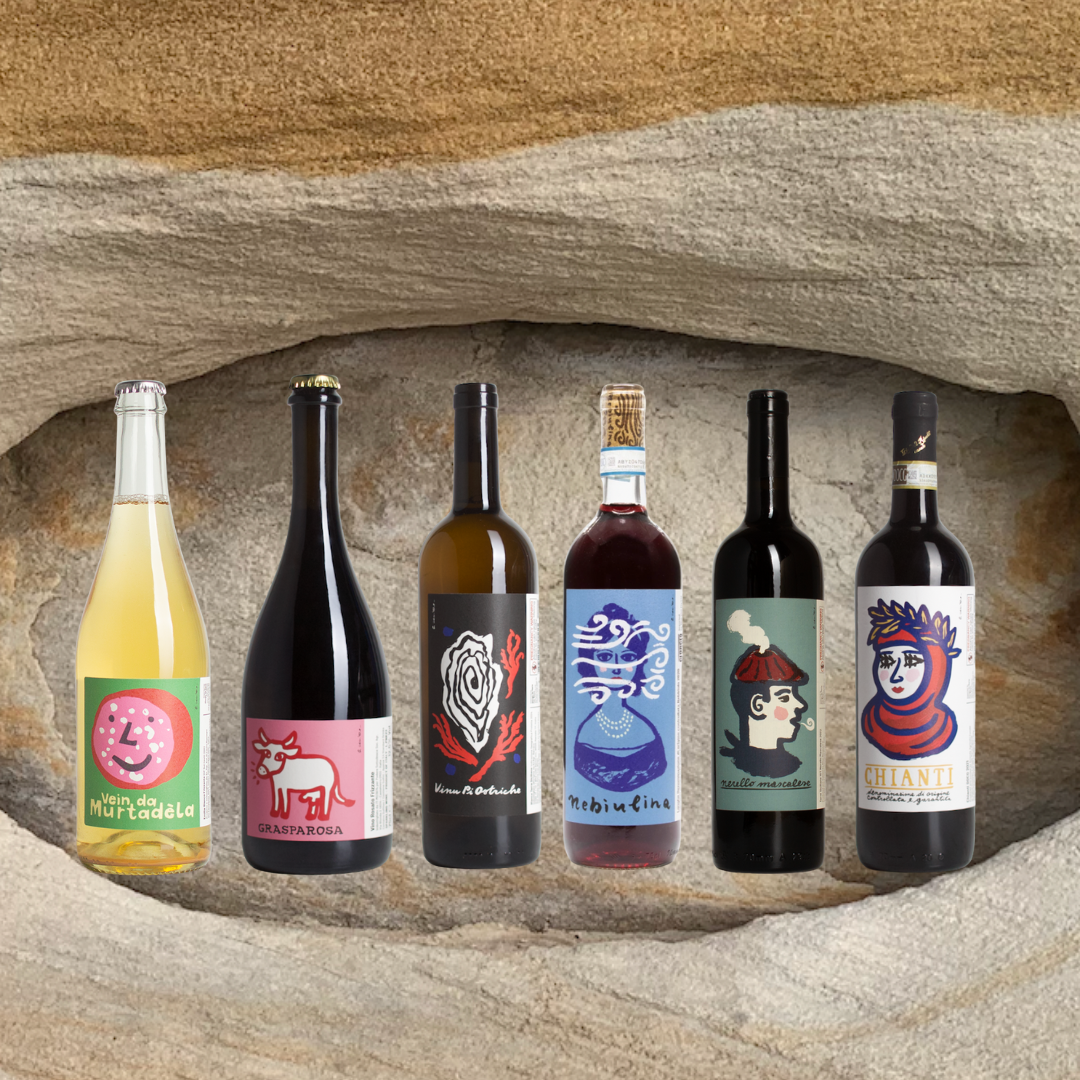
2024 Samodia Vei de Murtadela (pignoletto), Emilia Romagna - sparkling white
2024 Barraco Vinu Pi Ostriche (grillo, catarratto), Sicilia - white
A collaboration with the incredible Nino Barraco in Marsala, Sicilia. From a small selection of barrels and cement tanks, mostly Grillo. Think sun on your skin, sea breeze, and fresh oysters. Then sip—zesty lemon, preserved lemon, and a kiss of salinity. Vinu Pi Ostriche is the sea, captured in a glass.
2023 Podere Sottoilnoce Grasparosa (grasparossa) Emilia Romagna - chilled red with bubbles
A collaboration with Max from Podere Sottoilnoce in Castelvetro, near Modena. Grasparosa is a playful take on Grasparossa, the most structured Lambrusco. After short maceration, grapes are harvested in September, rested in cement, and re-fermented with must in April. The result? A dark rosé—vibrant, juicy, fizzy, and made for joyful, effortless drinking.
2023 Benotti Rosavica Nebiulina Langhe Nebbiolo, Piemonte - red
Benotti Rosavica is a tiny producer from Roero, in Priocca and Govone, where sandier soils from the rest of Langhe give Nebbiolo delicate structure and soaring aromatics—ideal for early drinking. I’d long searched for an un-oaked version. We named it Nebiulina to honour a historic style of young Nebbiolo once widely enjoyed in these hills in the 1800s.
2022 Alice Bonaccorsi Nerello Mascalese, Sicilia - red
This collaboration aims to revive the spirit of a more traditional style of Etna red—closer to the lighter, more drinkable wines made in the past, rather than the structured, full-bodied styles currently in vogue. We’re aiming for finesse, vibrancy, and a wine that reflects its volcanic origins in a more youthful frame.
2021 Casale Chianti, Toscana - red
An elegant Chianti made with Casale, an estate founded in 1770 and biodynamic since 1995. Rooted in Certaldo’s galestro and clay soils, this Sangiovese is spontaneously fermented in concrete and aged in cement and old chestnut casks. Cherry-bright, savory, and vibrant—an energetic classic grounded in earthy depth and true to tradition.
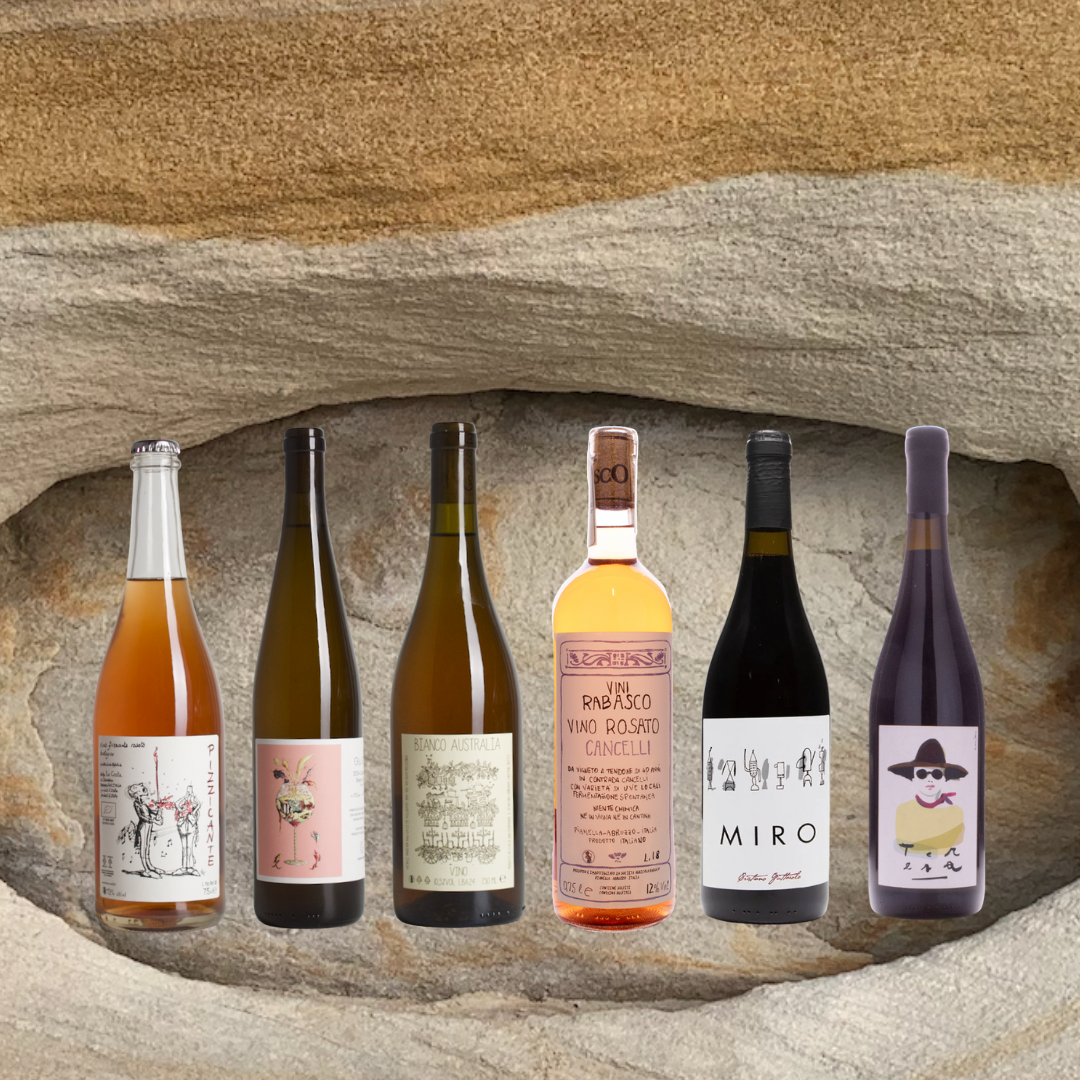
A collection of fun wines from Italy
2019 Le Coste Pizzicante Rosato (Aleatico), Lazio
2024 Cantina Giardino Glu Glu (Fiano), Campania
2024 Gazzetta Bianco Australia (Procanico blend), Lazio
2022 Rabasco Rosato (Montepulciano), Abruzzo
2022 Guttarolo Miro (Primitivo), Puglia
2019 Cascina Tavijn Teresa (Ruchè), Piemonte


Region of Italy: Piemonte
Producer: Carussin
Vintage: NV
Vitigno: Barbera with little Grignolino + Dolcetto
A great table wine, an everyday vino from Carussin, a biodynamic, family run, winery in Piemonte. Strong art by the inimitable Digby Webster.
People always associate bag & box with cheap and bad wines. We think this vessel is fantastic to keep the wine fresh and fragrant, imagine when the wine inside is great!
Service tips: Serve at 8-10C. Pizza!

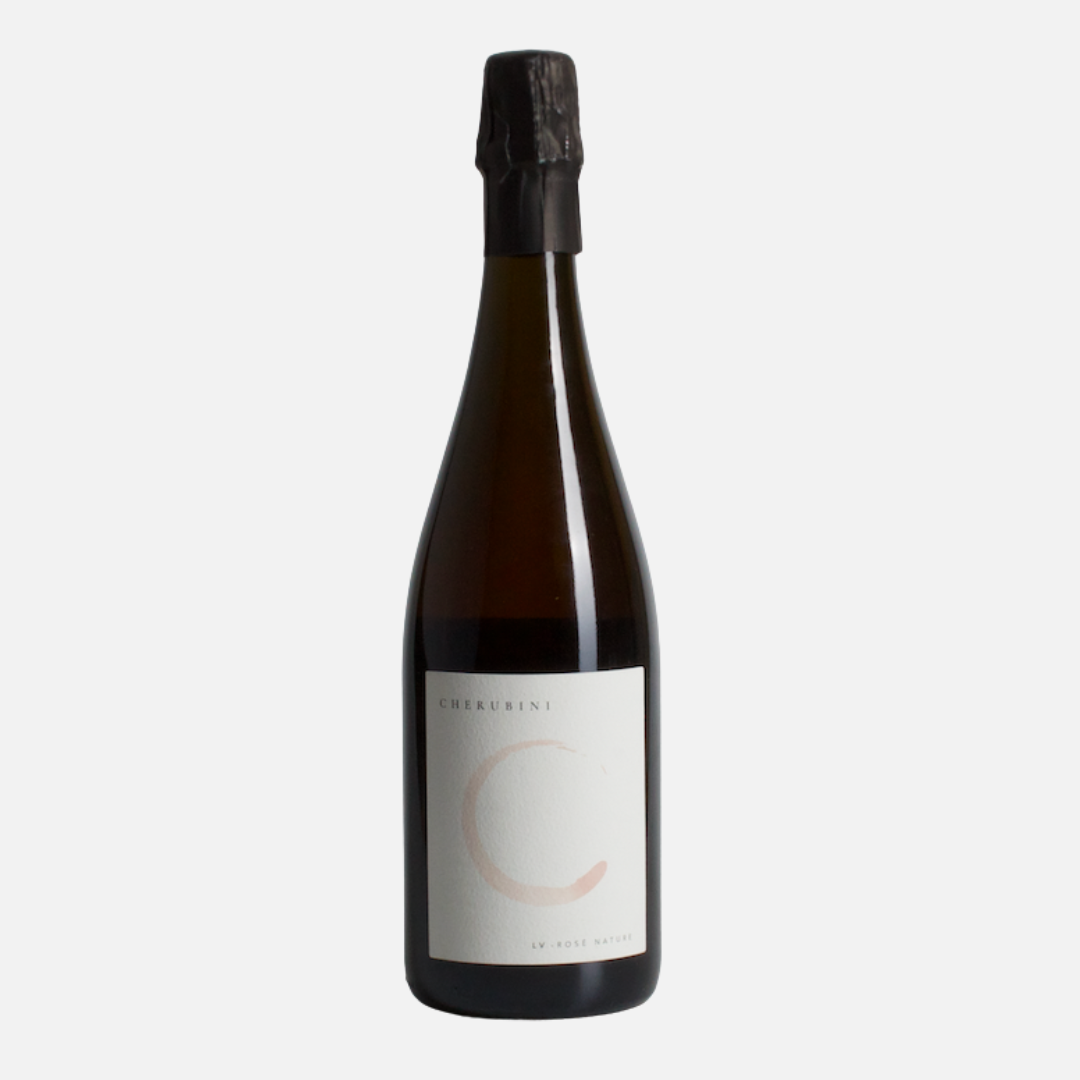
Region of Italy: Lombardia
Producer: Cherubini
Vintage: 2018
Vitigno: Pinot Noir
Service Tips: Think outside the box. Duck could be one.
Made exclusively from Pinot Noir, the fruit is gently destemmed before undergoing a short maceration of around six hours. The juice is then transferred to concrete, where native yeasts drive a slow fermentation lasting roughly twenty days. Once fermentation is complete, the wine is racked back into concrete and held there until the second fermentation begins. Following at least forty-eight months of maturation, disgorgement is carried out using the same wine for topping. The colour is a delicate, pale pink. Aromatically, the wine shows clear signs of evolution with nuanced tertiary notes, while the palate is defined by tension, harmony, and a pronounced mineral backbone.
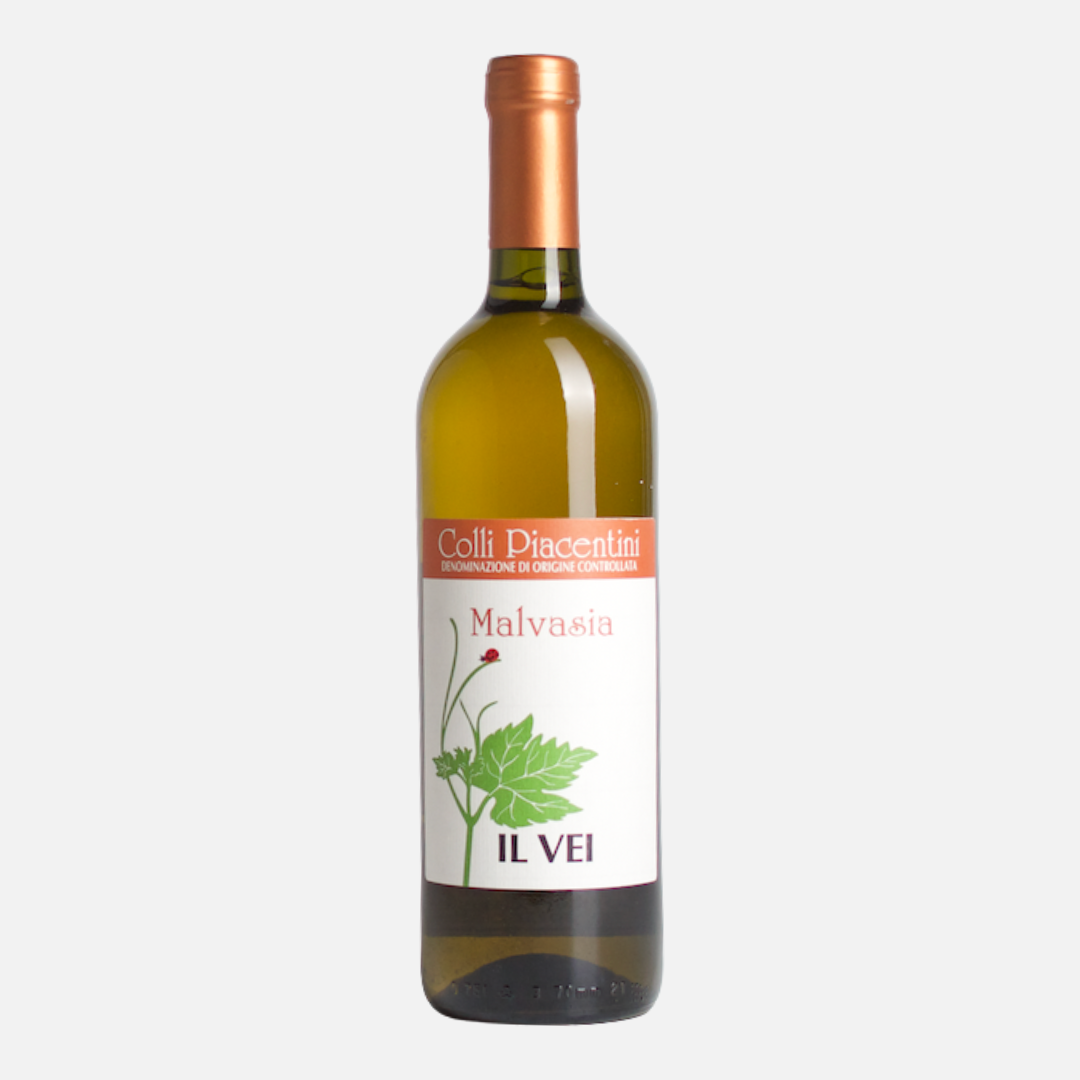
Region of Italy: Emilia Romagna
Producer: Il Vei
Vintage: 2022
Vitigno: Malvasia Di Candia
Service Tips: from Prosciutto to gnocco fritto to cheese
This is a seriously fun wine. Made from Malvasia di Candia, an aromatic white grape widely grown in Emilia-Romagna, it opens with expressive floral aromas and an inviting lift. On the palate, a light natural spritz enhances the wine’s naturally textured feel, giving it energy and definition. Distinctive and engaging.

Region of Italy: Veneto
Producer: Alessandro Della Vecchia
Vintage: 2020
Vitigno: Chardonnay
Chardonnay from chalky limestone soils vineyards from a friend in the Colli Euganei. 50% directly pressed, 50% macerated for a month. This is a great fruity sparkling wine with plenty of freshness and notes that go from white flowers to stone fruits.
Alex worked with Ernesto Cattel of Costadila and currently still in charge of Costadila’ winemaking. In 2017 Alex started his own projects: Ombretta Agricola (Piave), Pedecastello (Belluno Dolomites) and Grinton (from friends vineyards)
Service tips: Fry something !

Region of Italy: Emilia Romagna
Producer: Podere Sottoilnoce
Vintage: 2020
Vitigno: Grasparossa, Sorbara, Fioranese, Uva Tosca, Trebbiano di Modena.
Dark pink Sparkling - Blend of Grasparossa (dark), Sorbara (pink) and Trebbiano modenese (white). The name Saldalama refers to the place where a blade is connected to its sword handle. Grasparossa gives character and Sorbara and Trebbiano Modenese lift and freshness. Savoury and crunchy, so good!
Service tips: Tortellini in brodo followed by tortellini con la panna

Region of Italy: Campania
Producer: Cantina Giardino
Vintage: 2017
Vitigno: Aglianico
Antonio and Daniela Di Gruttola always love to make a PetNat. Aglianico is pressed directly after fermentation and then put into the bottle the following May along with some sweet Aglianico from the previous vintage. The second fermentation takes place in the bottle and there is no disgorgement, resulting in a dry sparkling wine with Griottes cherry, pungent acidity, and earthy minerality.
Service tips: Serve it at 11 C with fried chicken. Fish and chips is another great option.

Region of Italy: Campania
Producer: Cantina Giardino
Vintage: 2017
Vitigno: Greco
Antonio and Daniela used to buy some greco from Olimpia, a Nonna looking after her one hectare of greco vineyard in Greco di Tufo; for more than 60 years she was making a sparkling greco for herself and her family. This wine is dedicated to Olimpia and her method, which Cantina Giardino still follow. Grippy & refreshing, this wine is a bomb!
Service tips: Serve it at 10C as an aperitif watching the sunset.
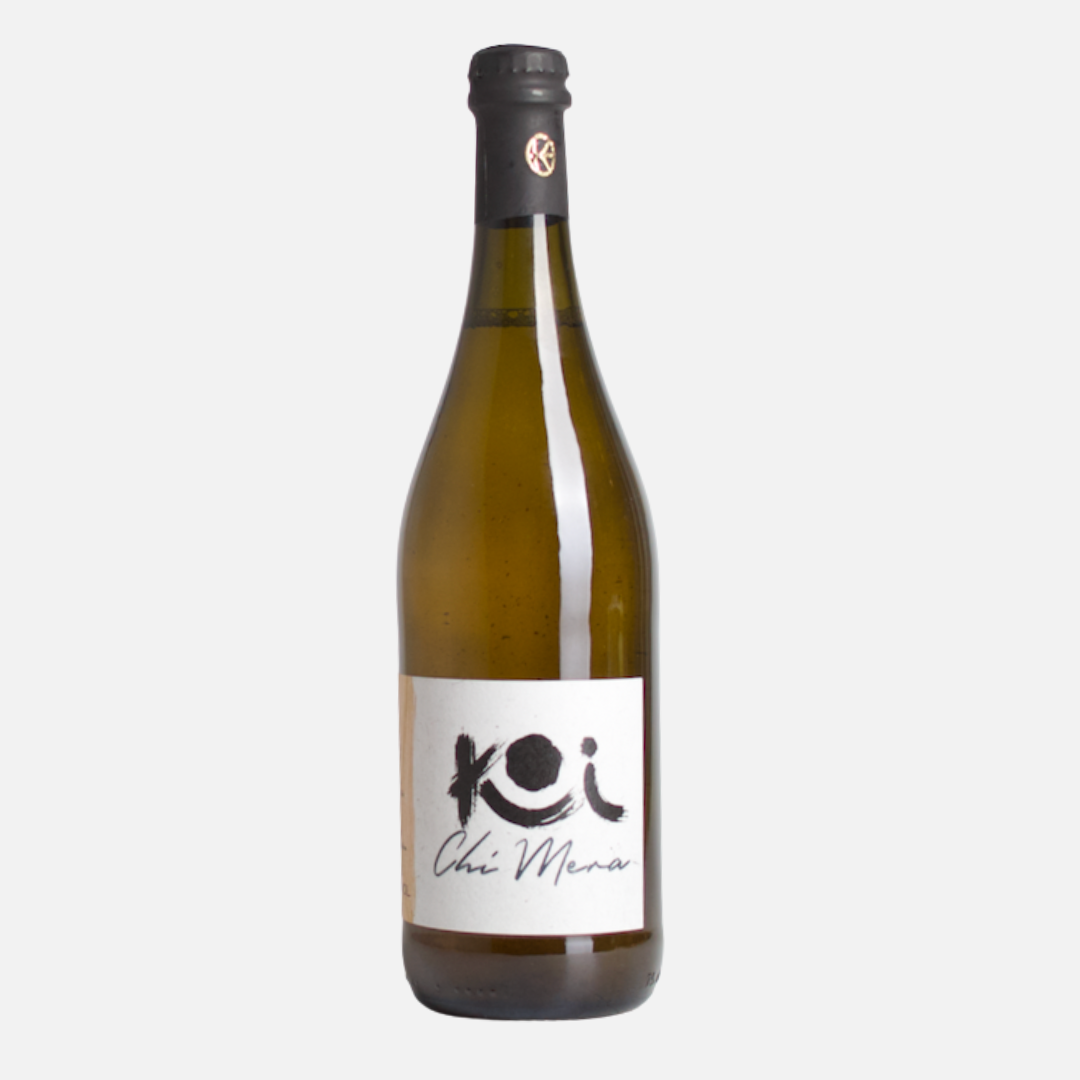
Region of Italy: Emilia Romanna
Producer: Koi
Vintage: 2023
Vitigno: Pignoletto, Montuni
Service Tips:
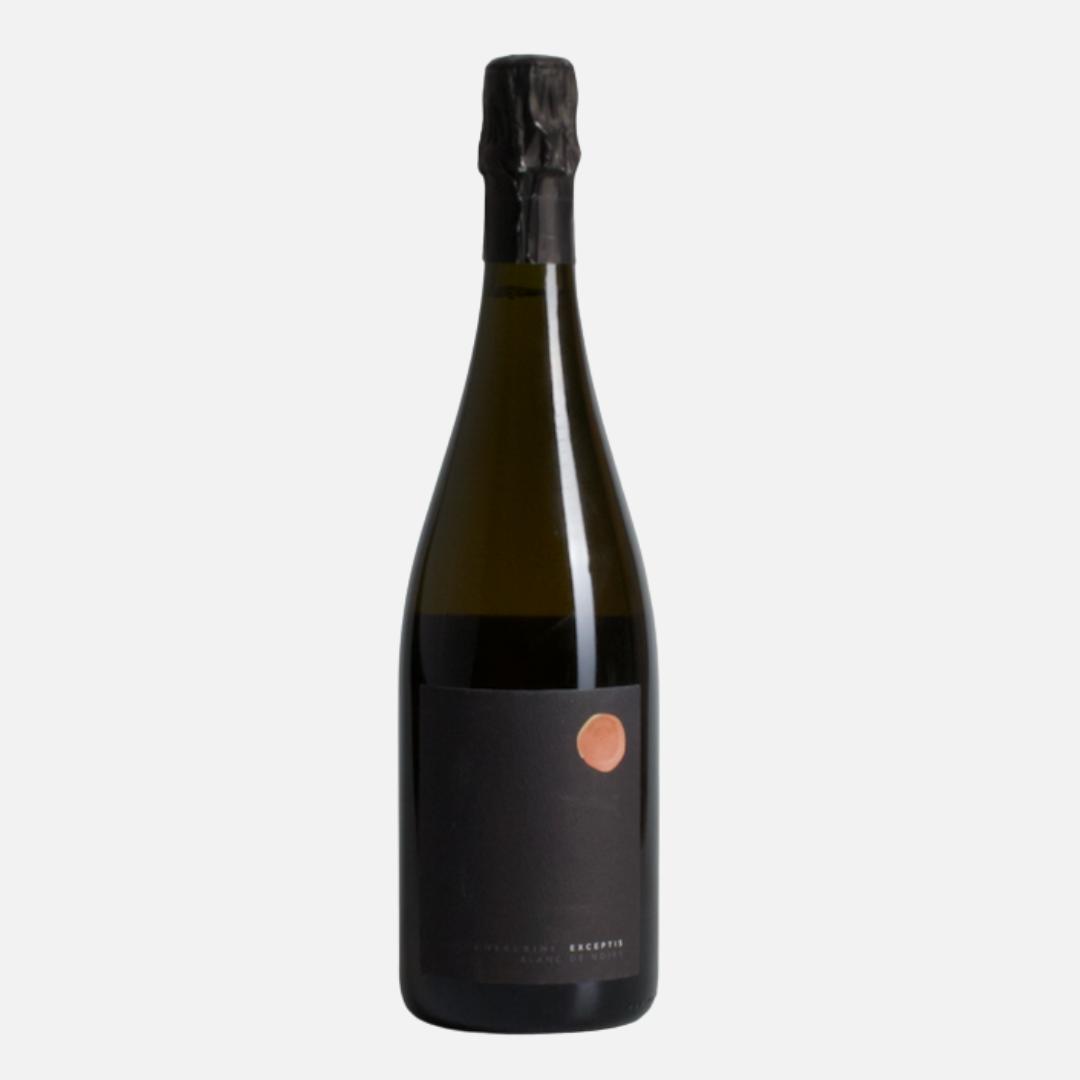
Region of Italy: Lombardia
Producer: Cherubini
Vintage: 2021
Vitigno: Pinot Noir
Service Tips:

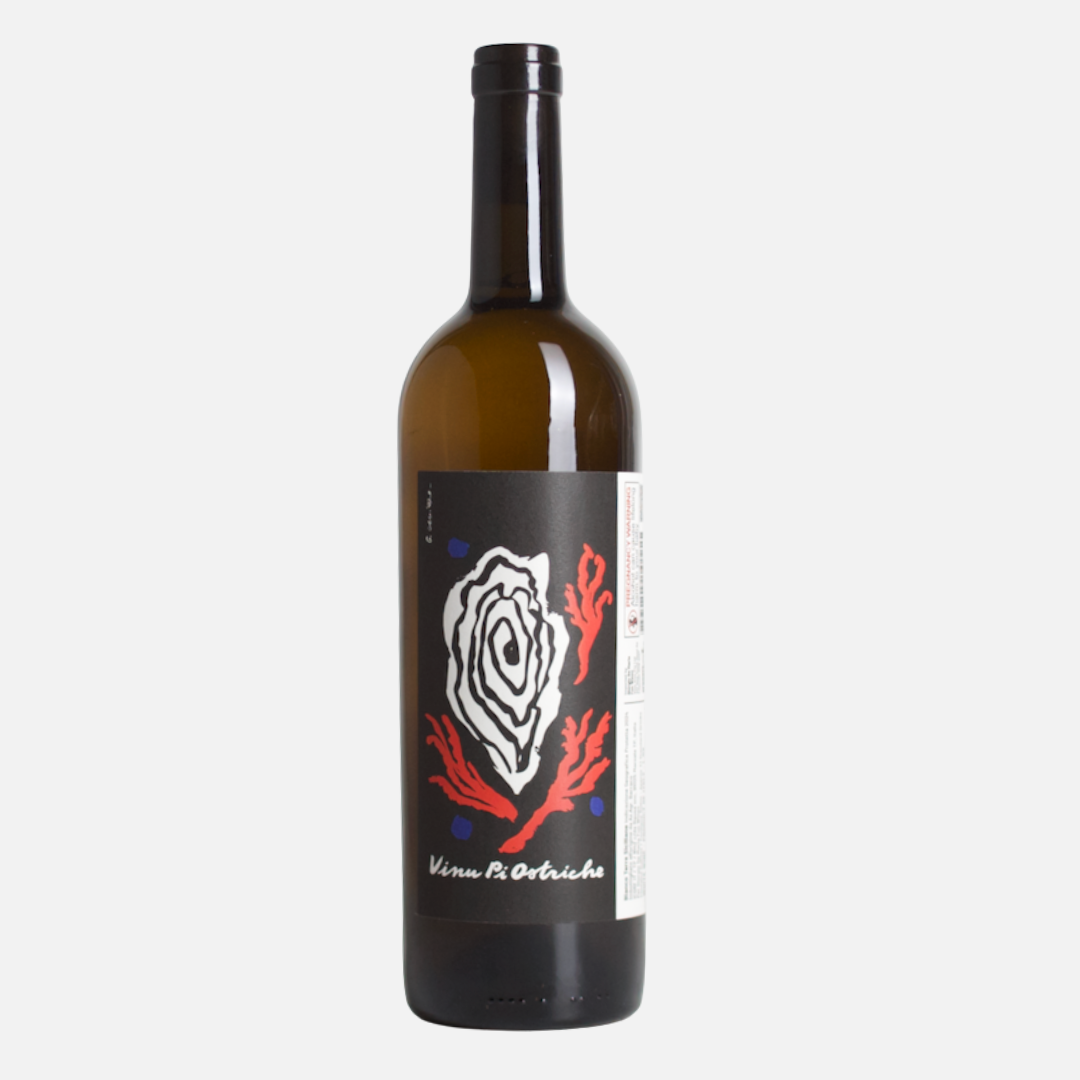
Region of Italy: Sicilia
Producer: Barraco
Vintage: 2024
Vitigno: Grillo, Catarratto
A collaboration with the incredible Nino Barraco in Marsala, Sicilia. From a small selection of barrels and cement tanks, mostly Grillo. Think sun on your skin, sea breeze, and fresh oysters. Then sip—zesty lemon, preserved lemon, and a kiss of salinity. Vinu Pi Ostriche is the sea, captured in a glass.
In 2004, Nino Barraco took over his family’s vineyards in Marsala with a vision that defied convention. Farming organically and working only with native grapes, he set out to craft single-vineyard wines that express purity and a profound sense of place. Along the windswept coastline, he now tends nearly twenty hectares planted to Grillo, Catarratto, Zibibbo, Nero d’Avola, and Perricone. Each parcel is harvested, fermented, and bottled separately, revealing the individuality of soil and sea. Saline and sunlit, Barraco’s wines are, in his words, “the sea in a glass.”

Region of Italy:
Producer: Caruana
Vintage: 2020
Vitigno: Inzolia
50 blend of tank and skins. notes of yellow fruit, Mediterranean herbs, and saline notes. In the mouth, it is mineral, and dry.
Service tips:

Region of Italy: Sicilia
Producer: Nino Barraco
Vintage: 2023
Vitigno: Catarratto
Barraco's Catarratto is a medium-bodied white wine with a good aromatic complexity. The wine is aged in steel for 10 months and see’s no oak to showcase the style and aromas of citrus, yellow flowers, and nutmeg. the texture is soft and persistent with the pleasant salinity we love to see from this variety grown in Sicily.
Service tips: Linguine with bottarga and bread crumbs.

Region of Italy: Puglia
Producer: Guttarolo
Vintage: 2021
Vitigno: verdeca with a touch of fiano & gioia
A few days skin contact and matured in porcelain - technically not a white, but not entirely an orange either. Its a nice in-between style. This is pure drinking pleasure, with saline refreshing up the fruity pert palate.
Cristiano started his winery in 2004, just outside of Gioia del Colle, located on a 400m a.s.l plateau between Taranto and Bari, Puglia. This is a very special place, magic for wine for the climate conditions (sea breezes and elevation) and for the amazing limestone soils of Le Murge Plateau.
Service tips: Serve it at 10 C

Region of Italy: Sicilia
Producer: Nino Barraco
Vintage: 2018
Vitigno: Grillo
Nino is chanelling more of a traditional Marsala style of white with this blend of his most loved cuvees; Vignammare, Alto Grado, and his classic Grillo are added in equal parts plus some freshly macerated whole bunches are added in and left to marry together for a year in stainless steel. The result is a fine wine with a warmed pastry, nutty, persistent feel. A true sense of place translates of course with salty minerality keeping it fresh, alive and immensely enjoyable.
Service tips: Serve at 6-8 C. With grilled white meats and the ocean nearby.

Region of Spain: Catalonia
Producer: Escoda - Sanahuja
Vintage: 2018
Vitigno: Macabeo, Grenache blanco and Parellada
Southern Catalonia produces some of them most textural, insanely fresh and driven whites. This blend is a lightly macerated style that spends around a week on skins and comes to maturity after 6 months in clay amphora.
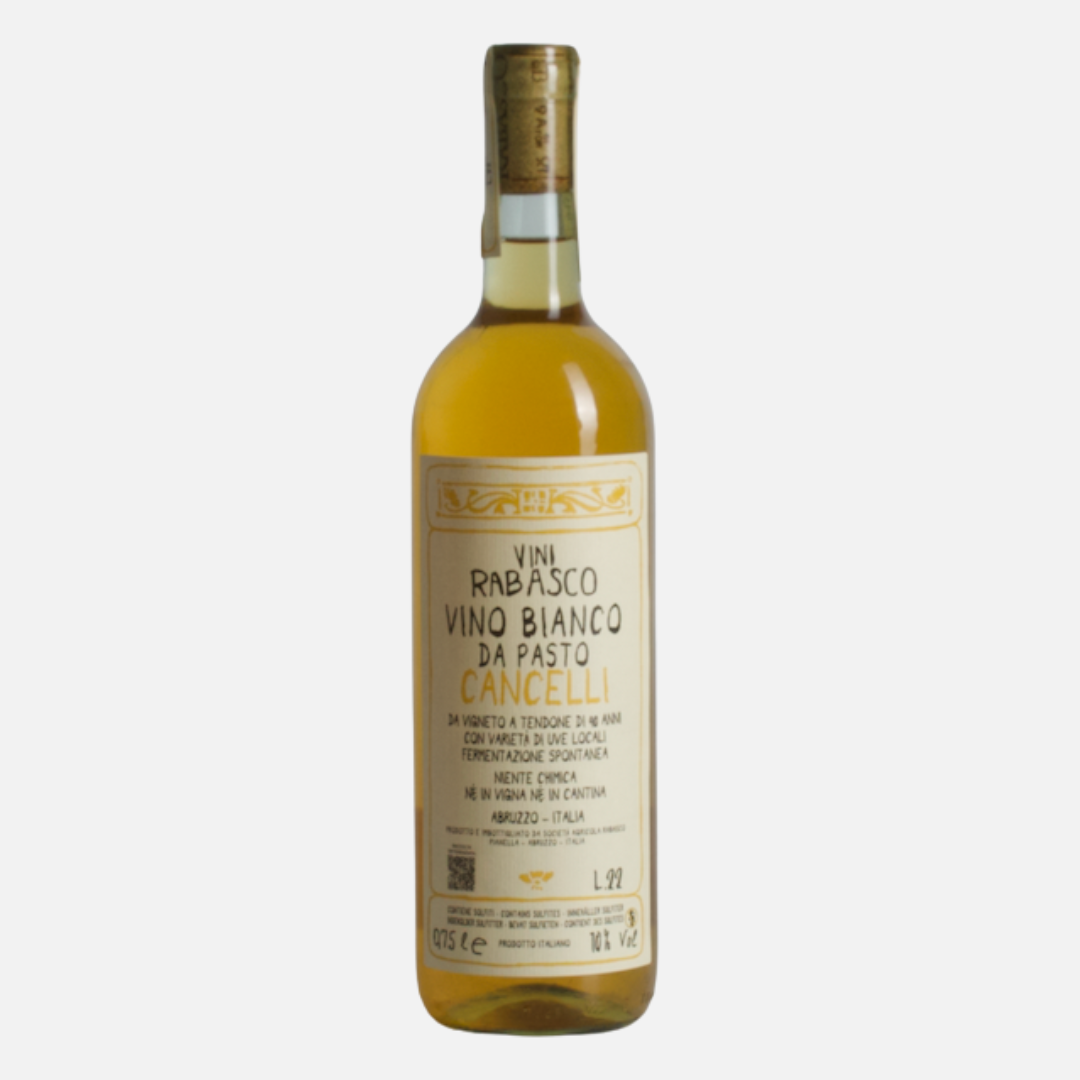
Region of Italy: Abruzzo
Producer: Rabasco
Vintage: 2024
Vitigno: Trebbiano
Service Tips:
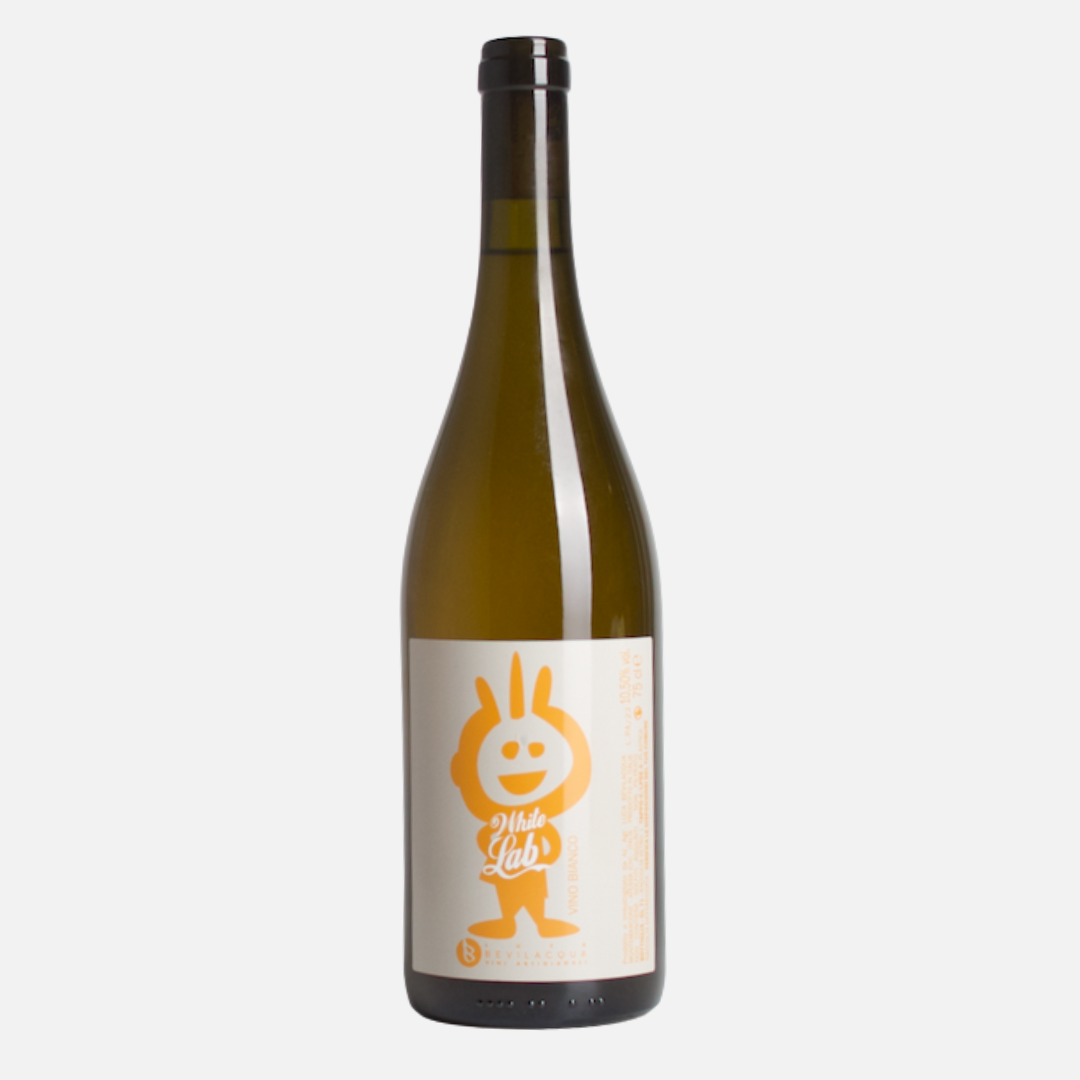
Region of Italy: Abruzzo
Producer: Luca Bevilacqua
Vintage: 2022
Vitigno: Passerina
Service Tips:
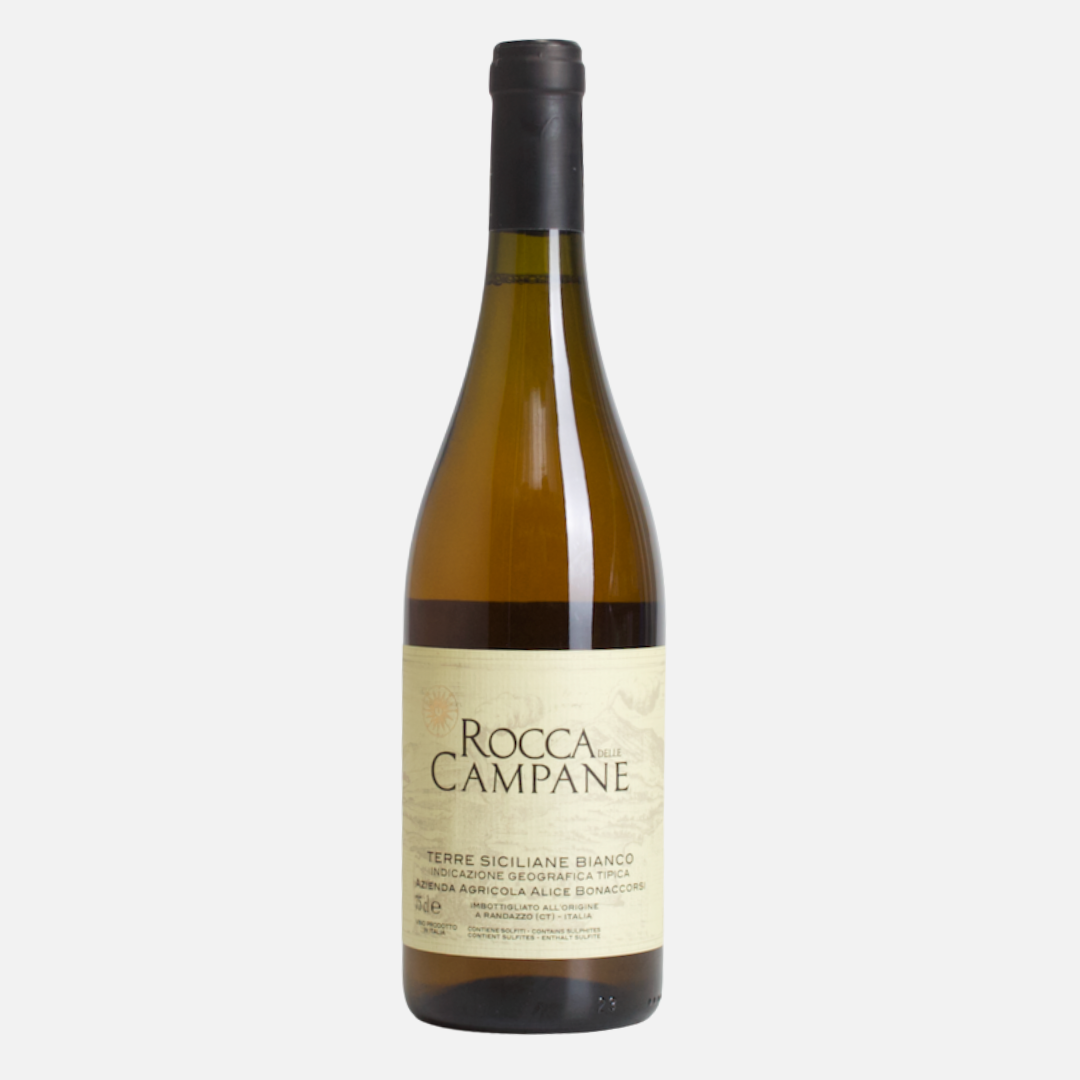
Region of Italy: Sicilia
Producer: Alice Bonaccorsi
Vintage: 2017
Vitigno: Carricante
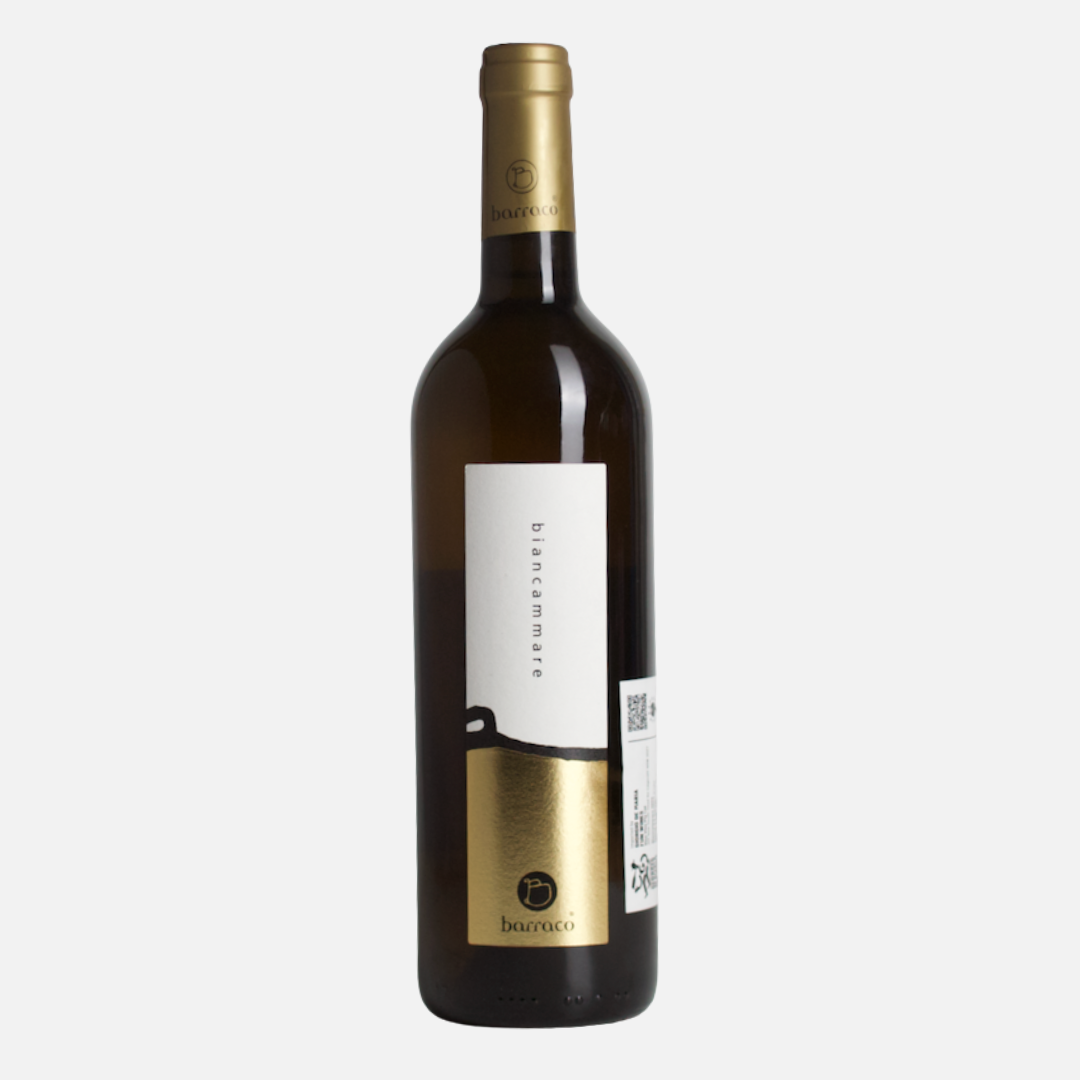
Region of Italy: Sicilia
Producer: Barraco
Vintage: 2023
Vitigno: Grillo
This Grillo comes from a vineyard right on the Ocean with infiltration of salty water. After a cool day of resting, the grapes are pressed into stainless steel. A saline, briny, wine with mineral nuance..
In 2004, Nino Barraco took over his family’s vineyards in Marsala with a vision that defied convention. Farming organically and working only with native grapes, he set out to craft single-vineyard wines that express purity and a profound sense of place. Along the windswept coastline, he now tends nearly twenty hectares planted to Grillo, Catarratto, Zibibbo, Nero d’Avola, and Perricone. Each parcel is harvested, fermented, and bottled separately, revealing the individuality of soil and sea. Saline and sunlit, Barraco’s wines are, in his words, “the sea in a glass.”

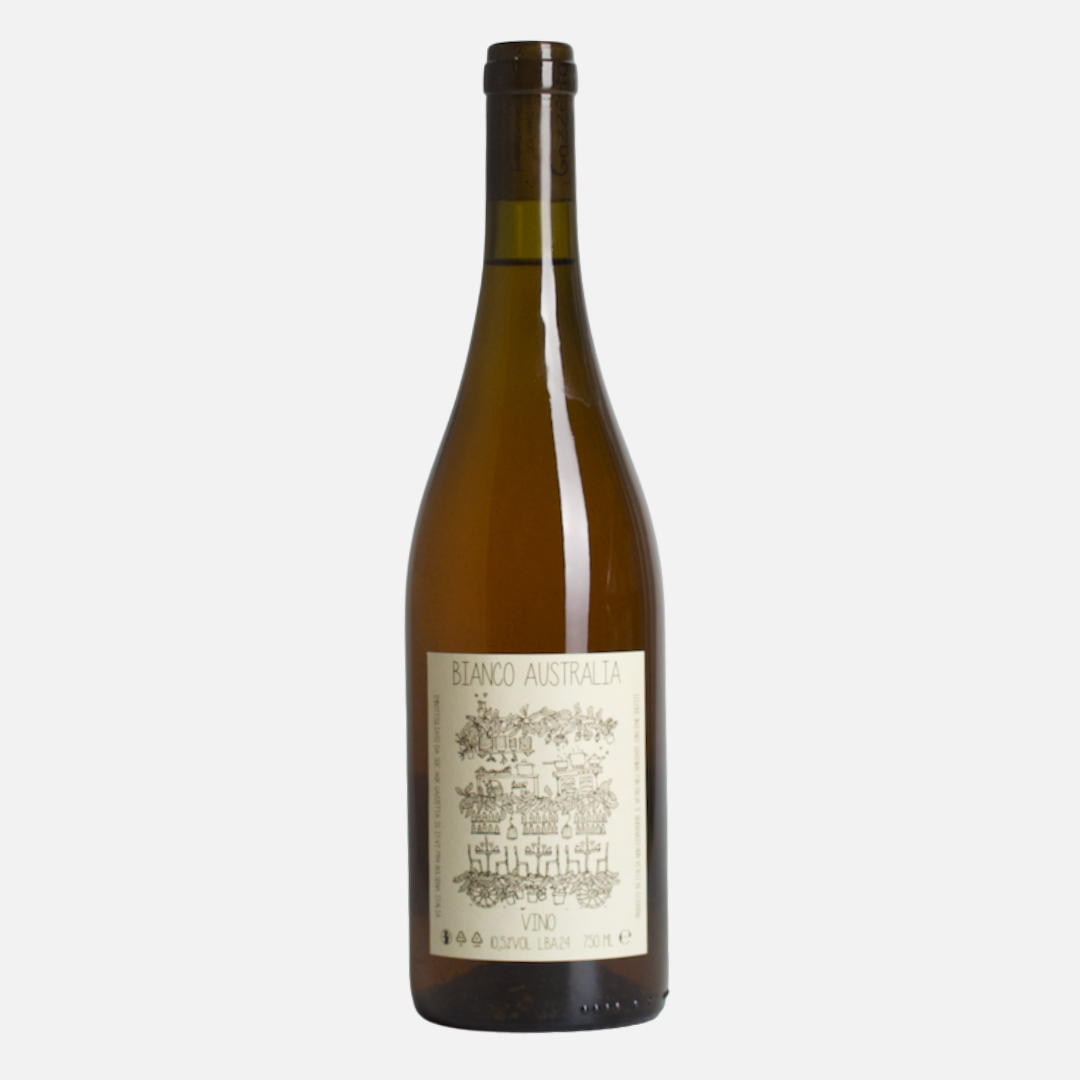
Region of Italy: Lazio
Producer: Gazzetta
Vintage: 2024
Vitigno: Procanico, Malvasia Toscana and Ansonica
A blend of the typical grapes from the area, Procanico, Malvasia Toscana, and Ansonica. This wine has ten days of skin contact with light punch downs so as to not extract too much. It's a pretty bold orange with peaches, orange zest, and grip to match a rich meal.
Trish Nelson a Sydney winemaker now living in the Lazio region of Italy, having worked at the likes of Cantina Giardino and Le Coste, is now making her own mark in the natural wine scene. Surrounded by Europe's largest volcanic lake, the sands are sand and ash, leaving doses of minerality. Vino Bianco is made just for Australia. The vineyards are near the shores of Lake Bolsena, above the town of Bolsena itself. Patricia (or Trish or Trilli) has four hectares of vines. In the vineyard, Trish works with copper and sulphur at low doses to control disease and integrates some herbal teas to try and lower the number of chemicals used, mainly teas from plants in the area such as nettle, dandelion, willow, and camomile. Nothing is added to the grapes at any stage during the vinification process. She works with stainless steel, chestnut, and oak barrels and has a few small experiments with clay vessels.
Service tips: A game of charades - Trillis favourite!

Region of Italy: Lazio
Producer: Gazzetta
Vintage: 2021
Vitigno: Procanico, Trebbiano.
This Bianco is named after Susanna, Trish's sister, who is also the artist behind all the labels; these Procanico and Trebbiano were the first pick of 2021 Trilli's vintage, ten days maceration on skins then pressed into stainless steel tank. The result is a vibrant, low-alcohol and refreshing white.
Service tips:

Producer: Nasciri
Vintage: 2023
Vitigno: Greco
A fun and lively Greco lightly macerated on skins for full flavor and texture.
Nasciri believes in producing all of their wine, olive oil, and food in an organic, minimal intervention approach.

Region of Italy: Sicilia
Producer: Criante
Vintage: 2019
Vitigno: Catarratto
Macerated Catatratto, spending around 5 days on skins. The result is rounded, rich, and warming. There are nice citrus notes alongside that delicate saline pulse. Textured and pleasing, this wine will accompany many different dishes.
The Segesta Valley is where one of the most important archaeological sites in Sicily sits, it’s the backdrop for the Catarratto vineyards of Criante which lie on mainly clayey soils in this part of Trapani.
Service tips: Fire roasted mackerel laid on a bed of peperonata
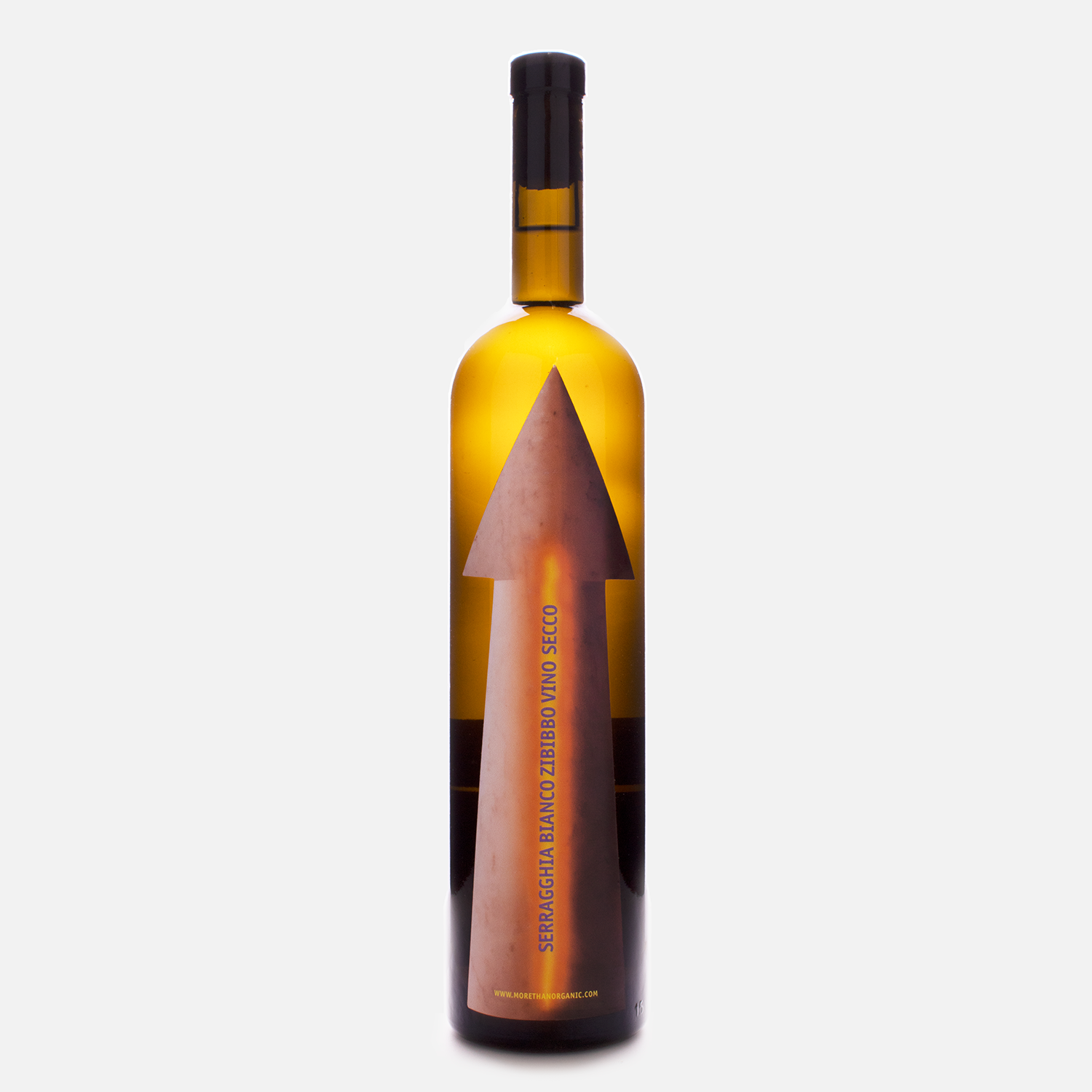
Region of Italy: Sicilia
Producer: Gabrio &Giotto Bini
Vintage: 2023
Vitigno: Zibibbo
Zibibbo is an aromatic varietal that grows beautifully on the wild island of Pantelleria. This wine is carrying all the flavours of this exotic Mediterranean paradise.
The grapes come entirely from the Serragghia district, and grown without any chemical or synthetic product. The volcanic soil on which the vines rest, and the marine influence of the island give the wine a deep and three-dimensional salinity, the real strength of Gabrio's products.
Service tips: Serve it at 10C with pasta with Bini’s capers, lemon rind and Le Coste olive oil.

Region of Italy: Irpinia, Campania
Producer: Cantina Giardino
Vintage: 2020
Vitigno: Greco
A hommage to Antonio and Daniella’s daughter Sophia, this cuvee is always a pleasure to drink. The wine is macerated and left on skins for around 1 year in a clay amphora that was made from locally sourced clay. After it is pressed off and finished off in acacia and chestnut. The balance is seamless, now, and will age with absolute grace - just like Sophia!
Service tips: Serve at 10-12c

Region of Austria: Styria
Producer: Strohmeier
Vintage: 2021
Vitigno: pinot blanc, bronner, muscaris, zweigelt
Named after the local stone responsible for such amazing minerality, this wine shows lots of stone fruit characters and quenching thirst freshness.
We are so pleased to have Strohmeier as part of our collections of wines on offer. Based in Steiermark, Styria, Franz farms 8-hectares of vines that are growing on some of the greenest mountains and farmed following the most natural methods.
Service tips: Serve at 8-10C. It would love to be paired with a delicate Schnitzy.

Region of Italy: Lazio
Producer: Le Coste
Vintage: 2022
Vitigno: Procanico, Malvasia di Candia, Moscato and other local varieties
A particularly fresh and lively vintage that is the epitome of a fun wine. This vintage is prominently Procanico with a splash of other indigenous varieties grown on the nutrient dense volcanic soils around Lake Bolsena. Fermented for around two weeks on skins and aged in fibreglass vessels for up to 6 months for settling. Citrusy, orange blossom nuances fill the glass, salute.
The project Le Coste start in February 2004 with the ownership of 3 hectares of vines in this natural garden with olives, vines, and shrubs along the ancient volcanic Bolsena lake. The lake established a great macro and microclimate for natural farming avoiding disease pressure.
Service tips: Serve it at 11 C with mussel, and vongole sautè. Bagel with pastrami, and wild rockets.

Region of Italy: Umbria
Producer: Ajola
Vintage: 2021
Vitigno: Procanico, Malvasia Toscana, Verdello and Drupeggio.
This cuvee was hand harvested together and macerated for 2 weeks for a more intense and powerful expression. There is more weight across the mid palate, with apricot and spice notes from the Malvasia’s time on skins. The acidity is persistent and moorish.
Ajola is a small farm located in the hills between Orvieto and Bolsena, Umbria. Started by Jacopo, it morphed into a collaboration between friends. Set at 440 meters above sea level on volcanic and sandy loam soils at the intersection between Umbria, Lazio and Tuscany.
Service tips: Serve at 8-10C. Aperitivo hour is complete with this wine in tow.

Region of Italy: Campania
Producer: Cantina Giardino
Vintage: 2020
Vitigno: Greco di Tufo
The "T ara ra" is a pure and generous white wine from Irpinia, from Greco grapes grown on the highest vines of the estate located at 650 meters above sea level. 4 days maceration on the skins and the spontaneous fermentation with indigenous yeasts make it an authentic and artisanal wine, 12 months in oak casks and in bottle without filtrations and adding sulphites. Rich, Mediterranean and pleasantly rustic, it diffuses aromas of citrus, touches of sweet spices and smoky memories with traces of hydrocarbons.
Service tips: Serve it at 12 C with Coq au Vin.

Region of Italy: Irpinia, Campania
Producer: Cantina Giardino
Vintage: 2020
Vitigno: Fiano
Daniela & Antonio get their fiano from one of the historical area of the Fiano di Avellino appellation: Lapio and Candida; 450-500 m above sea level planted in calcareous marls, limestone, and clay. Four days of maceration on skins before going into chestnut (65%), mulberry (35%) botti for about a year. Complex aromatic, chalk and minerals.
Service tips: Serve at 10-12c with kimchi pancake

Region of Italy: Campania
Producer: Cantina Giardino
Vintage: 2020
Vitigno: Falanghina
Light, fresh, and salty from soils rich in volcanic minerals near Benevento. Four days macerations on skins and aging in big botti. Believed to be a white grape used to make the famous Falernian wines for the tables of the Roman Emperors and mentioned already by Pliny the Elder, falanghina's name seems to refer to the Greek falangos and then phalange in Latin, with a curious reference to the poles used to support the vines.
Daniela and Antonio always wanted to work with this grape but only found some great vineyards near Benevento in most recent times and the first vintage was 2019. According to Cantina Giardino, falanghina is a fascinating grape that, in its simplicity, gives wines ready to drink earlier than coda di volpe, fiano, and greco.
Service tips:

Region of Italy: Campania
Producer: Cantina Giardino
Vintage: 2020
Vitigno: Fiano
100% fiano from the Lapio area (known to be the best spots in the Fiano di Avellino appelation), which had a short maceration on skins of approx 4 days and then finished fermentation and aged in the beautiful local cherry wood botti. The grapes are exactly the same as the Gaia, the only difference is the type of botti in which the wine is aged, cherry for Tu Tu and chestnut for Gaia.
Service tips: Serve it at 8 C with cherry ripe or , more seriously, zuppa di pesce

Region of Italy: Veneto
Producer: Farnea
Vintage: 2020
Vitigno: Tocai, Malvasia, Marzemina and Pinella
New vintage Birbo playfully known as ‘the rascal’ has just landed. Probably the most bright and citrusy version we have tasted of this cuvee. Picked a touch earlier than usual to retain a super low abv. This wine is perfect for Sunday sessions and long lunches all summer long.
Service tips: Serve chilled for an easy aperitivo.

Region of Italy: Lazio
Producer: Le Coste
Vintage: 2020
Vitigno: Procanico blend
Le Coste Bianco, from the stunning vineyards perched around Lake Bolsena. Made up predominantly of Procanico, with hints of other local varieties. This wine is driven with complexity that is unmistakable from the Lazio region.
Service Tips: Serve at 8C and decant if necessary.


Region of Italy: Lazio
Producer: Le Coste
Vintage: 2017
Vitigno: Procanico and other local varieties
Clémentine Bouvéron & Gian Marco Antonuzi, settled in Gradoli 120 km north of Rome to make wine around the Bolsena lake. "Natural" agriculture is practiced on the whole property, without any official certification, but with great respect for the environment, to create a natural balance that intensive agriculture would certainly disturb. To this end, in addition to wine, olives, fruit trees, and green fertilizers are grown. Le Coste Bianco R 2014, 85% Procanico and 10% Malvasia Toscana, Malvasia di Candia, Malvasia Puntinata, Vermentino, Greco, Pampanone, Ansonica, Verdello, Roscetto all situated on a light, tuffaceous, volcanic mineral-rich soils. 50% botrytized grapes, natural vinification, direct pressing, slow fermentation and aging in oak casks of 12 hl. No SO2. It is a wine with a sense of palpable energy, with a remarkable concentration, fruity and floral elements.
Service tips: Serve it at 12 C with smoked trout with dill and aioli. Sun-dried tomato, capers, and cucumber salad with croutons.

Region of Italy: Friuli Venezia Giulia
Producer: Dario Princic
Vintage: 2018
Vitigno: Ribolla Gialla
Located in the Collio area, on marly and sandstone-rich soils. Yield is 40 hectoliter per hectare. Spontaneous fermentation in open wooden vats, with 35 days of maceration on the skins. Very little addition of sulfur dioxide. Ribolla Gialla by Dario Princic is an emblematic and exciting orange wine, which outlines the essence of the Collio denomination. Dario is a legend in the world of artisan wine, one of those names that need no introduction. A true local pioneer, Dario was together with Stanko Radikon and Josko Gravner one of the staunch supporters of a non-interventionist approach in the vineyard and cellar, and the white wines in contact with the skins, in order to give great depth to the wine. Sweet spices, dried fruit, apricot jam, herbaceous, and a light sensation of Kerosene.
Service tips: Serve it at 12 C with Porchetta "Suckling Pig". Okonomiyaki and Takoyaki.

Region of Italy: Toscana, Giglio Island
Producer: Altura
Vintage: 2019
Vitigno: Ansonaco
Francesco Carfagna is located on the Giglio Island in Tuscany and is a kind of hero in the area. He risked the threat of jail in order not to comply with Government rules that forbade him to clean the brushwood. He is certainly one of the most reassuring faces in the world of artisanal wine for his open way of speaking. All the vineyards grow without the use of any substance other than a little copper and sulfur, and in the cellar it continues in an equally spontaneous way.
From bush vines on sandy, stone-rich soils; all in terraces overlooking the sea almost falling into the sea.
Alcoholic and malolactic fermentation in steel barrels of 5/10 hl with maceration on the skins for 2 weeks at cellar temperature with continuous decanting. Orange in colour and the nose speak about the sea salty element, seaweed, shellfish minerality with this energetic sapid palate.
Service tips: Serve it at 12 C with fish soup in tomato sauce. Soba noodle with prawn & nori tempura.

Region of Italy: Abruzzo
Producer: Mariapaola DI Cato
Vintage: 2022
Vitigno: Montepulciano
Eughenos, a cerasuolo dark rosato style of Montepulciano, invites an intimate, delicate, and contemplative way of drinking. Made from grapes grown at 335 metres above sea level on loose, calcareous soils with small gravel, the wine undergoes a short overnight maceration followed by spontaneous fermentation in open vats, then seven months in stainless steel. Unfiltered and unfined, it is juicy yet structured, showing vibrant fruit with distinctive notes of wild strawberry and rose petal. Refreshing acidity carries the palate, giving a wine that feels profound yet gentle, expressive and ageworthy.
Service tips: Ventricina della Valle Peligna or Mortadella di Campotosto
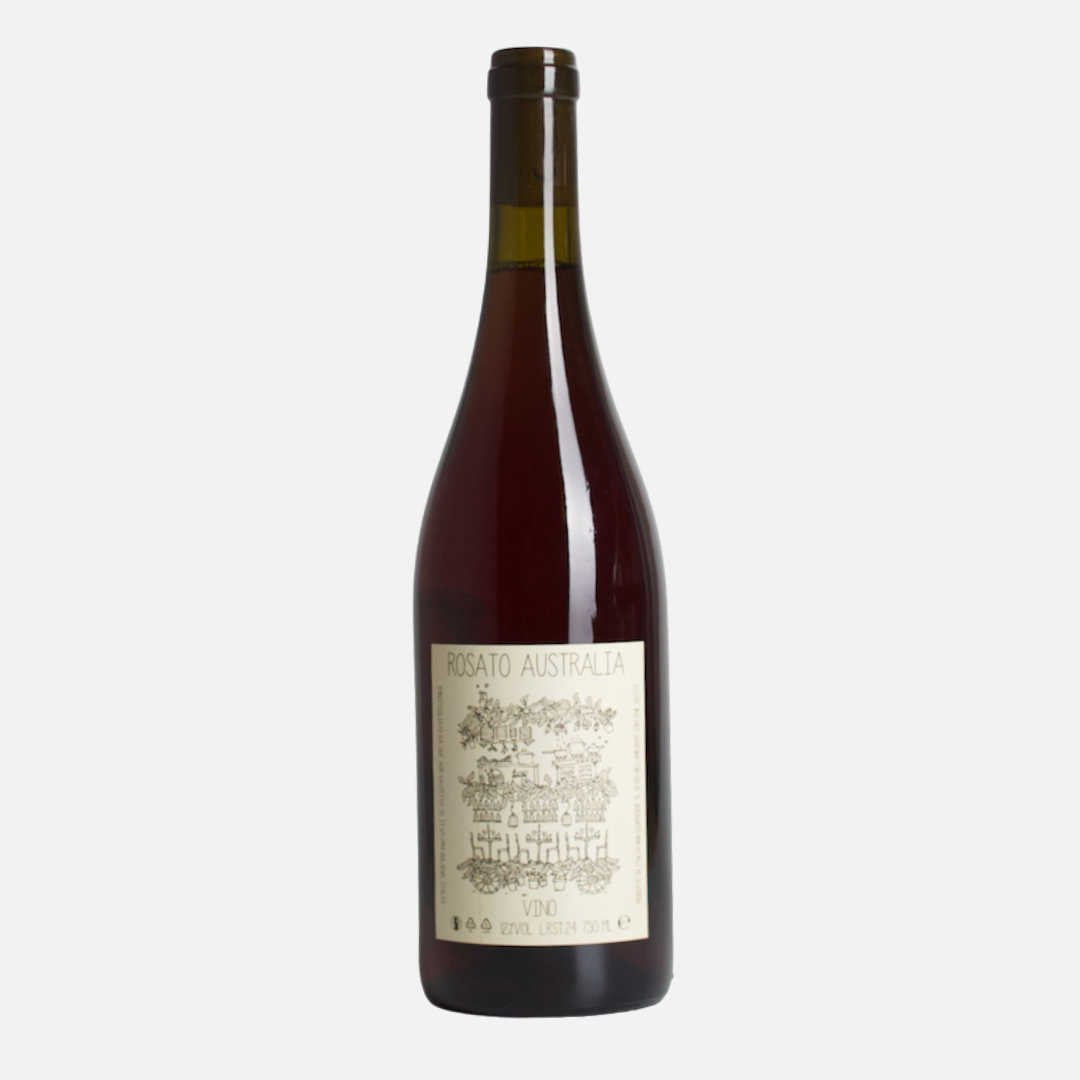
Region of Italy: Lazio
Producer: Gazzetta
Vintage: 2024
Vitigno: Aleatico, Sangiovese, Procanico
A blend of the typical grapes from the area, Aleatico, Sangiovese, Procanico. Red and white grapes fermented together. Beautiful dark rose’ to drink with food.
Trish Nelson a Sydney winemaker now living in the Lazio region of Italy, having worked at the likes of Cantina Giardino and Le Coste, is now making her own mark in the natural wine scene. Surrounded by Europe's largest volcanic lake, the sands are sand and ash, leaving doses of minerality. Vino Bianco is made just for Australia. The vineyards are near the shores of Lake Bolsena, above the town of Bolsena itself. Patricia (or Trish or Trilli) has four hectares of vines. In the vineyard, Trish works with copper and sulphur at low doses to control disease and integrates some herbal teas to try and lower the number of chemicals used, mainly teas from plants in the area such as nettle, dandelion, willow, and camomile. Nothing is added to the grapes at any stage during the vinification process. She works with stainless steel, chestnut, and oak barrels and has a few small experiments with clay vessels.
Service tips: A game of charades - Trillis favourite!

Region of Italy: Campania
Producer: Cantina Giardino
Vintage: 2020
Vitigno: Aglianico, Primitivo, Piedirosso, Coda di Volpe
Aglianico, Primitivo, Piedirosso, Coda di Volpe macerated two days on skins, then rested on old chestnut casks for six months. A field blend of grapes red and white from an old vineyard in Montemarano on Clay and Limestone soil. Bright red fruit, with red cherry, smoke and minerals with nice tension and plenty of fresh acidity.
Service tips: Fish, aperò, light first-plate.

Region of Italy: Irpinia, Campania
Producer: Cantina Giardino
Vintage: 2020
Vitigno: Coda di volpe rosso
Coda di Volpe Rossa 100%. Ancient vines that grow, as per tradition, alongside Aglianico grapes. Spontaneous fermentation with indigenous yeasts and maceration on the skins for 2 days, 12 months in used chestnut barrels and 6 months in the bottle. Cantina Giardino's "Volpe Rosa" is a gem of the Irpinia area produced from a very rare grape, the Code di Volpe Rossa. It is a rosé wine that smells of Mediterranean herbs, small ripe red fruits, honey and light essences of dried flowers. On the palate there is a lively, rustic and invigorating freshness that makes the sip agile and vibrant.
Service tips: Tuna and Kingfish carpaccio.

Region of Italy: Toscana
Producer: Dote
Vintage: 2019
Vitigno: Syrah
Since many years in this area of Toscana, Cortona, syrah is considered the grape to be grown and Cote Rotie the example to look at. However, Filippo Calabresi is thinking outside the box and makes wines in a very different way. Harvested on August 22nd, spontaneously whole–cluster fermented (semi carbonic maceration) in wooden vessels, 5 days of skin contact, aged 5 months in five old barriques. Bottled without clarification and filtration.
Service tips: Serve it at 12 C with wild boar (cinghiale) prosciutto

Region of Italy: Sicilia
Producer: Gabrio & Giotto Bini
Vintage: 2023
Vitigno: Pignatello and Catarratto
"Fanino Serragghia" is a rustic and spicy red wine, made from white and red Pignatello and Catarratto grapes, vinified in open-air amphoras buried in the tufaceous soil. It has a soft pinkish color and aromas of sweet spices, flowers, and ripe red fruits.
The grapes come entirely from the Serragghia district, and grown without any chemical or synthetic product. The volcanic soil on which the vines rest, and the marine influence of the island give the wine a deep and three-dimensional salinity, the real strength of Gabrio's products.
Service tips: Serve it at 14C with Moreton buy bag glazed with corn and pork broth. Haloumi with baba ganoush and pomegranate dressing.

Producer: Mario Maciocca
Vintage: 2019
Vitigno: Cesanese
A crunchy, lifted Rose’ with lots of personality and flavour. Think textural layered raspberries and cream with a soft edge of Mediterranean herb and saline on the finish.
Mario Macciocca today cultivates four hectares of biodynamic vineyards on the slopes of the Scalambra mountains in Lazio, along the Simbruini chain mountain based on limestone-marn soil. Mario cultivates predominantly the Cesanese grape. In these mountains sheltered by cold and temperate winds, has found the ideal habitat for its development. Mario In the cellar it prefers spontaneous fermentation, uses only native yeasts and refinements are only in steel tanks or wooden barrels.
Service tips: Serve it at 16 C with Pasta with Bolognese Ragout. Cabbage ravioli.

Region of Italy: Friuli Venezia Giulia
Producer: Franco Terpin
Vintage: 2023
Vitigno: Sivi = Pinot Grigio
From a single vineyard in the Monte Calvario at 150m above sea level planted on a soil locally called “Ponka”, clay-filled marl which was originally part of the Eocene sea bed. Spontaneous fermentation, about a week skin contact and aged for 8 months in stainless steel. The wine shows some cloudiness but the colour is vivid and alive. A beautiful pinot grigio ramato.
Service Tips: Serve at 12C, enjoy with some salami

Region of Spain: Mallorca
Producer: Panduro
Vintage: 2023
Vitigno: Monastrell
A red made from 95% Monastrell and other ancient local varieties from an old vineyard on limestone soils in Valle Hoya de Torres, Jumilla at 800m altitude. 30% of the grapes were destemmed, the rest direct press, then co-maceration for 10 days. Aged six months in 500L used French oak tonneaux, it’s a light to medium body red, dark fruited, highly mineral and with a lovely tannin structure.
Originally from the Basque Country, Ibon began his winemaking journey in a restless, almost nomadic way, moving across Mediterranean regions rather than settling in one spot. Today his work spans both Mallorca and Murcia. A major turning point came in 2021, when he purchased his first vineyard, an old planting of callet and mantonegro near Felanitx, in the southeast of Mallorca.
In Jumilla, he works with mature monastrell vines and other local varieties in the Valle Hoya de Torres, using a similarly communal cellar located close to the vineyards.
Service tips: Gazpacho Jumiliano con torta cencena
Region of Spain: Mallorca
Producer: Panduro
Vintage: 2024
Vitigno: 70% Callet and 30% Mantonegro
A remarkable light red made from 70% Callet and 30% Mantonegro from an old vineyard on clay-limestone soils in Felanitx and Porreras, Mallorca. Fourteen days maceration of grapes fully destemmed with some whole bunches. Aged six months in 500L used French oak tonneaux, it’s a profound red, light, highly mineral, and brimming with Mediterranean garrigue spice.
Originally from the Basque Country, Ibon began his winemaking journey in a restless, almost nomadic way, moving across Mediterranean regions rather than settling in one spot. Today his work spans both Mallorca and Murcia. A major turning point came in 2021, when he purchased his first vineyard, an old planting of callet and mantonegro near Felanitx, in the southeast of Mallorca.
In Jumilla, he works with mature monastrell vines and other local varieties in the Valle Hoya de Torres, using a similarly communal cellar located close to the vineyards.
Service tips: some Pata Negra
Region of Spain: Mallorca
Producer: Panduro
Vintage: 2024
Vitigno: Callet
This delicate red is made from 100% Callet grown on clay-limestone soils in Sineu and Petra, Mallorca. Sixteen days of maceration, approximately 10% whole bunch layered "lasagna style" with destemmed grapes. Aged six months in 500L used French oak tonneaux, it’s a remarkable red—profound yet light, highly mineral, and brimming with Mediterranean garrigue spices.
Originally from the Basque Country, Ibon began his winemaking journey in a restless, almost nomadic way, moving across Mediterranean regions rather than settling in one spot. Today his work spans both Mallorca and Murcia. A major turning point came in 2021, when he purchased his first vineyard, an old planting of callet and mantonegro near Felanitx, in the southeast of Mallorca.
In Jumilla, he works with mature monastrell vines and other local varieties in the Valle Hoya de Torres, using a similarly communal cellar located close to the vineyards.
Service tips: chill and go to the beach
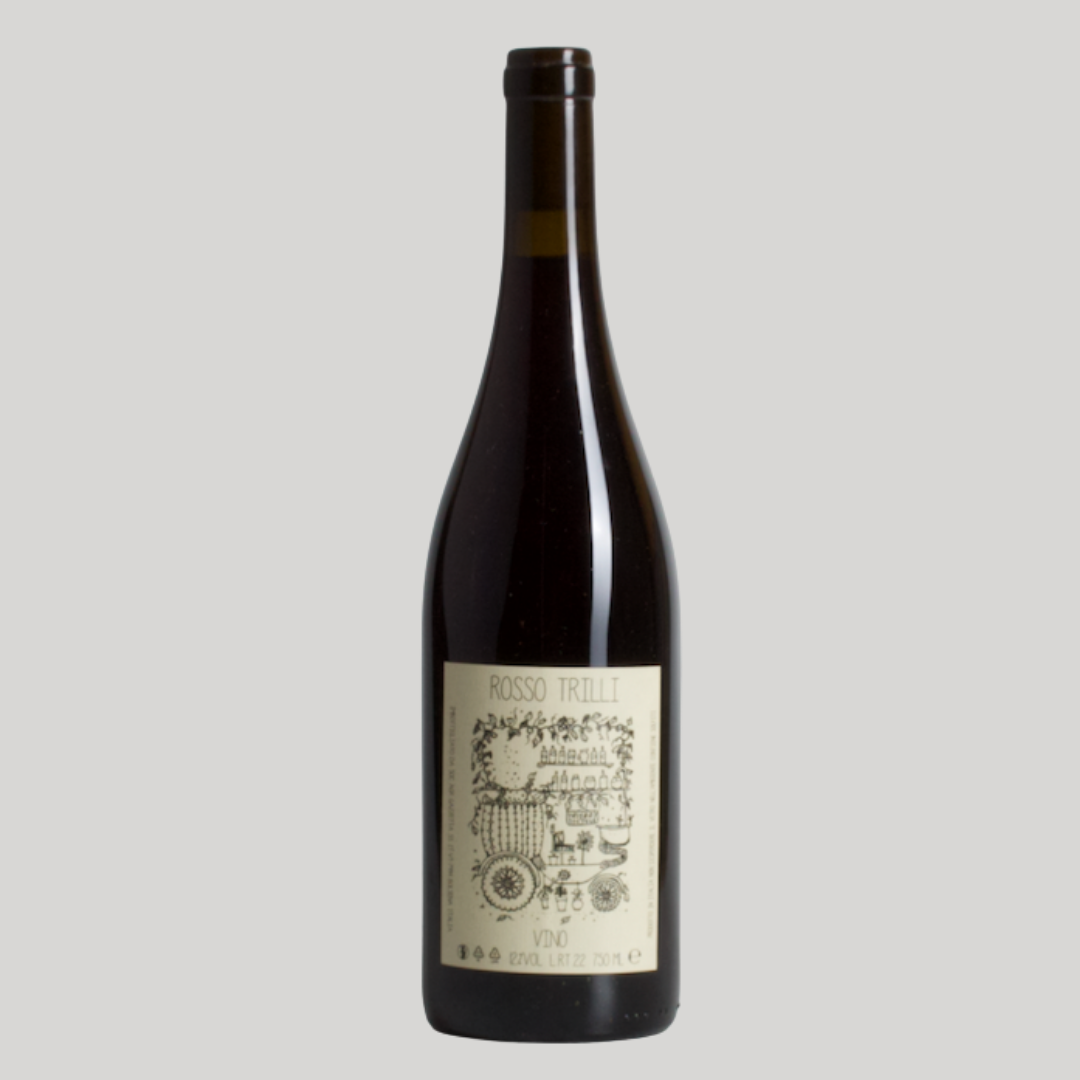
Region of Italy: Lazio
Producer: Gazzetta
Vintage: 2022
Vitigno: Aleatico
An aromatic red, good chilled. A long time favourite
Trish Nelson a Sydney winemaker now living in the Lazio region of Italy, having worked at the likes of Cantina Giardino and Le Coste, is now making her own mark in the natural wine scene. Surrounded by Europe's largest volcanic lake, the sands are sand and ash, leaving doses of minerality. Vino Bianco is made just for Australia. The vineyards are near the shores of Lake Bolsena, above the town of Bolsena itself. Patricia (or Trish or Trilli) has four hectares of vines. In the vineyard, Trish works with copper and sulphur at low doses to control disease and integrates some herbal teas to try and lower the number of chemicals used, mainly teas from plants in the area such as nettle, dandelion, willow, and camomile. Nothing is added to the grapes at any stage during the vinification process. She works with stainless steel, chestnut, and oak barrels and has a few small experiments with clay vessels.
Service tips: A game of charades - Trillis favourite!

Region of Italy: Emilia Romagna
Producer: Podere Sottoilnoce
Vintage: 2023
Vitigno: grasparossa
There’s really no better food wine than a great Lambrusco. Call it a chilled red with bubbles if you like — but nothing cuts through prosciutto, salami, tortellini, panini, Parmigiano, polpette, tigelle, lasagne, zampone, erbazzone or any food really, like this wine does.
Grasparosa is a playful take on grasparossa, one of the most structured and intense types of Lambrusco. After a short maceration, the grapes are harvested in September, rested in cement tanks, and then re-fermented with must in April — the result is a dark rosé that's pure joy.
Simply put, it’s the best chilled red you can imagine.
Service tips: chill it and enjoy
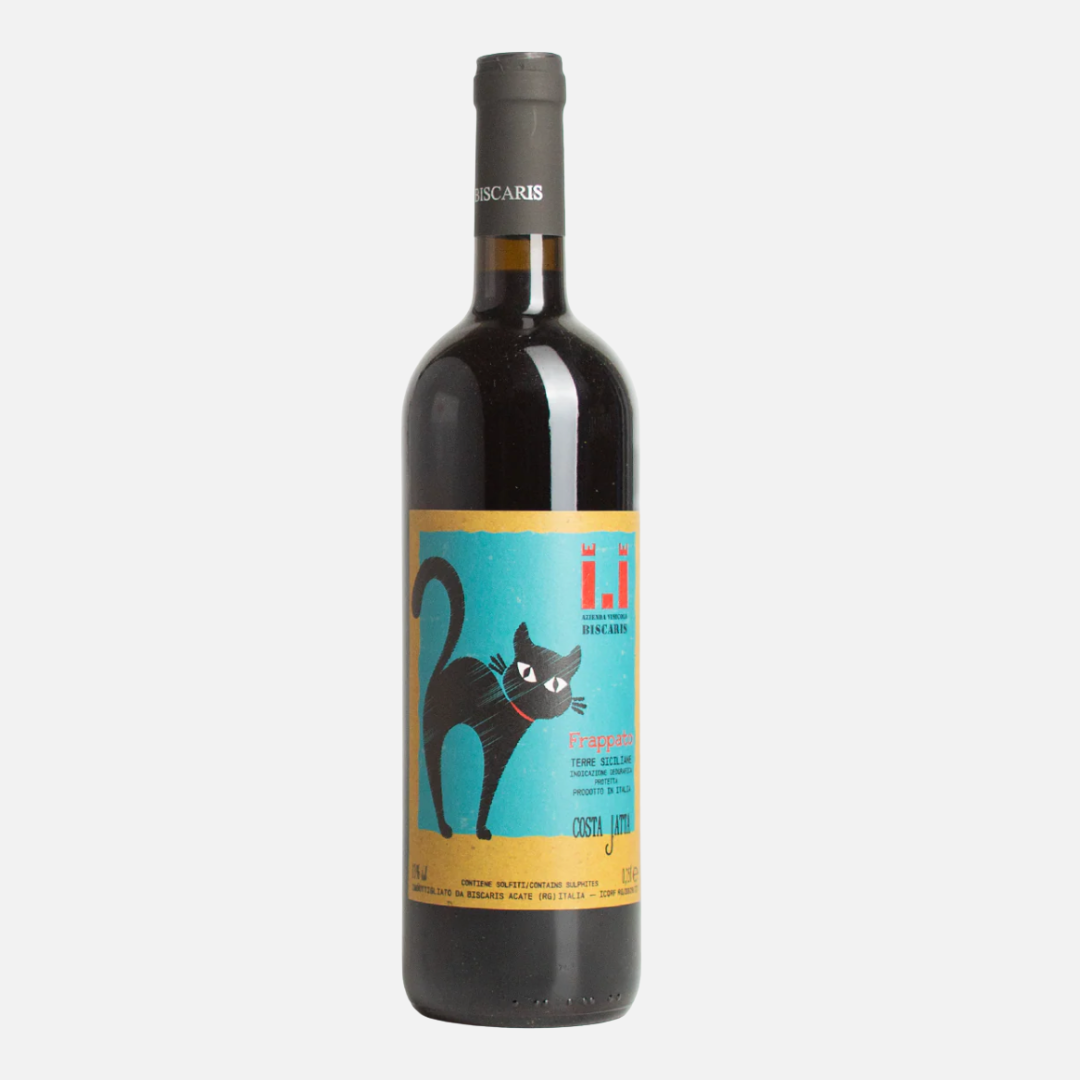
Region of Italy: Sicilia
Producer: Biscaris
Vintage: 2024
Vitigno: Frappato
Frappato from the beautiful Costa Jatta vineyard. After a two-week maceration and fermentation on the skins in stainless steel, the wine is aged in the same vessel before being bottled young to preserve its brightness and crunchiness.
Owner Antonia Guardabasso and her son Stefano have managed the family estate since Biscaris’ first commercial harvest in 2004. The vineyards, near Vittoria, lie across two contrade—Casazza and Santissimo—at 200 and 100 metres above sea level. Most vines are trained in the traditional alberello (bush vine) method, with rows oriented “mare-monti” to capture breezes between the Mediterranean and the Monti Iblei. The terre rosse soils, poor red sands rich in active calcium carbonate, together with the coastal influence, lend the wines a distinctive saline freshness despite the warm, arid climate.

Region of Italy: Puglia
Producer: Guttarolo
Vintage: 2022
Vitigno: Primitivo
This Primitivo has a short maceration on skins and is bottled early to retain its youthfulness. After a little time in bottle this wine has really come into its own. We see a beautifully balanced wine that is earthy and yet still fruit forward. There is an unmistakable Puglia pulse that is served best with baked focaccia and cheese.
Cristiano started his winery in 2004, just outside of Gioia del Colle, located on a 400m a.s.l plateau between Taranto and Bari, Puglia. This is a very special place, magic for wine for the climate conditions (sea breezes and elevation) and for the amazing limestone soils of Le Murge Plateau.
Service tips: Turn your kitchen into a trattoria and start enjoying

Region of France: Languedoc-Roussillon
Producer: La Sorga
Vintage: 2021
Vitigno: Cinsault
Cinsault from an old vineyard in Faugeres. Couple of weeks skin contact and ageing in Clayver (stoneware amphora). It drinks extremely light, fresh and vibrant but also long and precise, the perfect marriage between "glou glou" and serious.
Antony Tortul started La Sorga in 2008 as a pure négociant in Languedoc-Roussillon, sourcing organic or biodynamic grapes from old vineyards from Gaillac to Chateauneuf-du-Pape, the Languedoc being his favourite vinous playground. Antony is extremely rigorous in his selection of vineyards and is always looking for exceptional terroirs. He works with over 40 vineyards of different soils, grape varieties and vine ages (between 25 to 110 years old) ... little wonder that he produces so many labels (and I only import a few of them!) Antony vinifies in his cellar in Béziers, with only wild fermentation, no fining or filtration nor added SO2
Service tips: tuna à la catalane

Region of Italy: Umbria
Producer: Ajola
Vintage: 2020
Vitigno: Aleatico
Aleatico’s flavour profile is similar to the white grape Muscat in the sense that its very aromatic and lively. Blue fruits and rose water are always prominent here with some balanced exotic spice notes. The nose is magnetic and the palate will have you smacking your lips for more.
Ajola is a small farm located in the hills between Orvieto and Bolsena, Umbria. Started by Jacopo, it morphed into a collaboration between friends. Set at 440 meters above sea level on volcanic and sandy loam soils at the intersection between Umbria, Lazio and Tuscany.
Service tips: Serve slightly chilled.

Region of Italy: Lazio
Producer: Le Coste
Vintage: 2021
Vitigno: Aleatico
Carbonic maceration Aleatico for lift and vibrancy! Think rose water and delicate Mediterranean herbs bound together with a touch of spiciness and tannin. A complete show stopper that always sells out first. Be quick for this vintage.
The project Le Coste start in February 2004 with the ownership of 3 hectares of vines in this natural garden with olives, vines, and shrubs along the ancient volcanic Bolsena lake. The lake established a great macro and microclimate for natural farming avoiding disease pressure.
Service tips: Serve it at 11 C with mussel, and vongole sautè. Bagel with pastrami, and wild rockets.

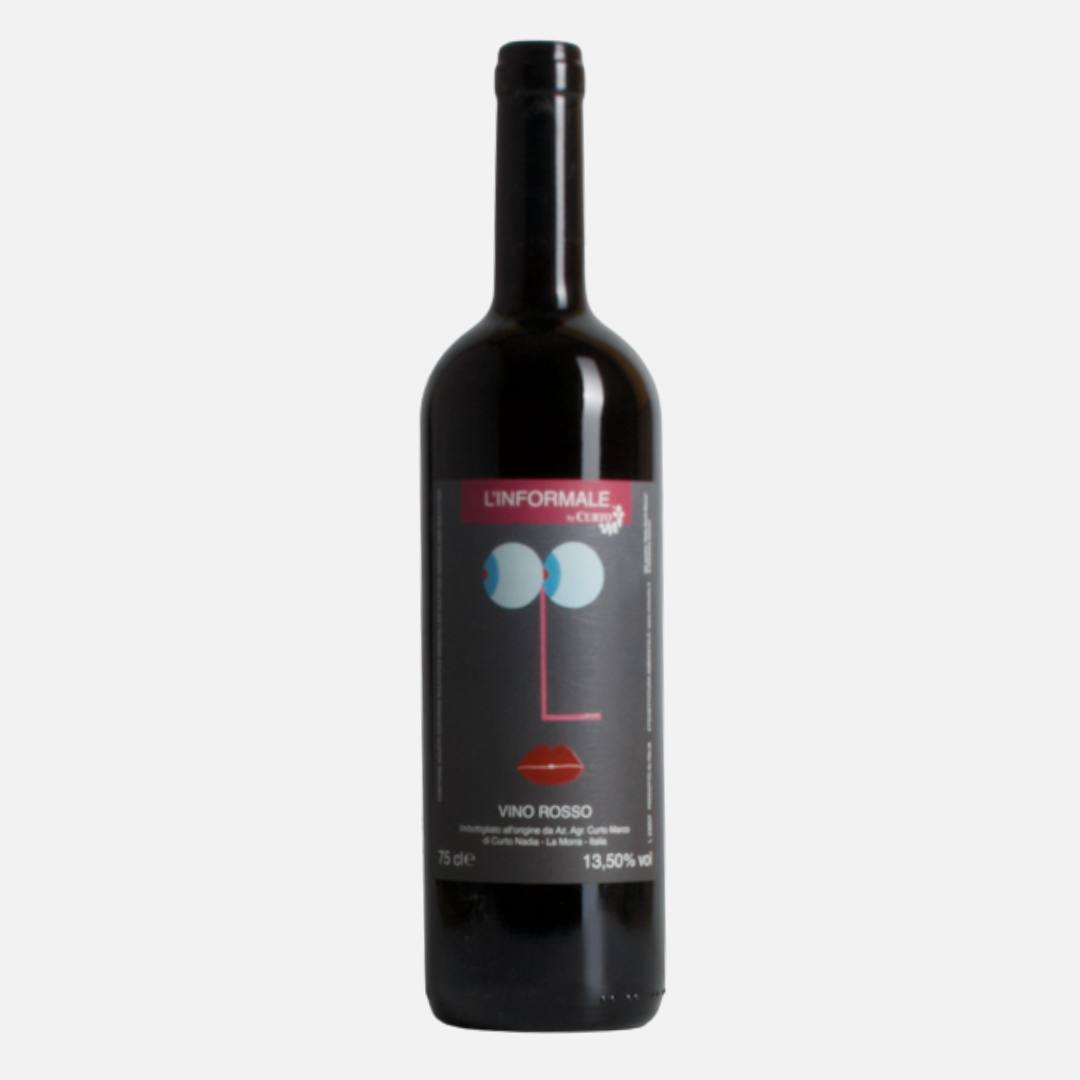
Region of Italy: Piemonte
Producer: Nadia Curto
Vintage: 2023
Vitigno: Nebbiolo, Dolcetto
Dolcetto from eighty-year-old vines and Nebbiolo from younger plantings, vinified together in stainless steel with a short maceration. The old Dolcetto brings fruit but also depth while the young Nebbiolo adds tannic grip and youthful exuberance.
Nadia’s family has farmed four hectares organically in the prized Arborina cru of La Morra for generations. Most vines are around eighty years old, planted mainly to Nebbiolo with smaller parcels of Barbera, Dolcetto, and Freisa. After earning a degree in economics, Nadia chose to follow her uncle, Elio Altare, one of Barolo’s most influential figures. Combining his modernist influence with traditional methods, she produces two interpretations of Arborina: La Foia, with long maceration and large oak ageing, and Arborina, aged in French barriques. Her wines show purity, energy, and exotic spice—expressions both precise and deeply rooted in La Morra.
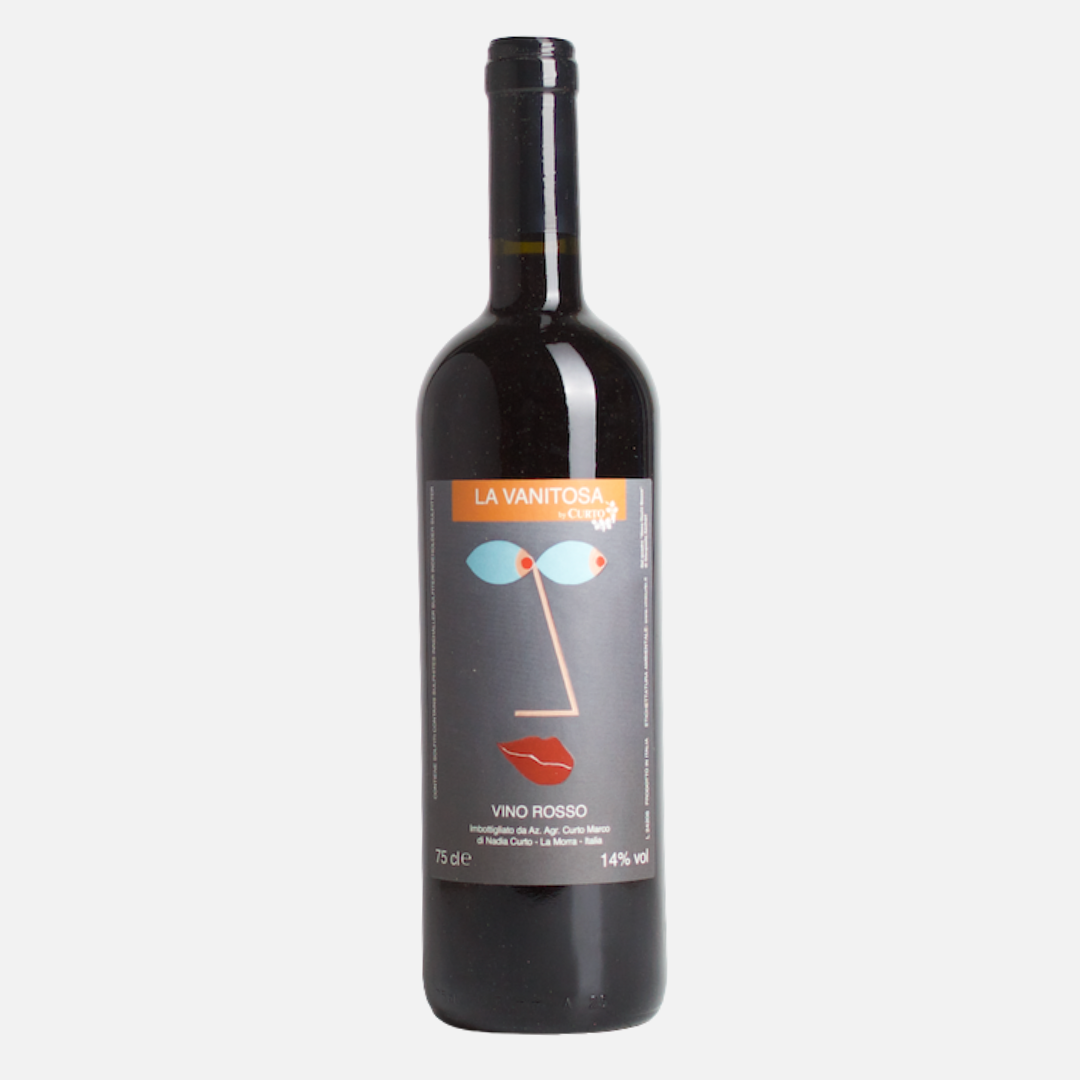
Region of Italy: Piemonte
Producer: Nadia Curto
Vintage: 2023
Vitigno: Barbera, Nebbiolo
Barbera from eighty-year-old vines and Nebbiolo from younger plantings, vinified together in stainless steel with a short maceration. The old Barbera brings fruit, depth, and elegance, while the young Nebbiolo adds tannic grip and youthful exuberance.
Nadia’s family has farmed four hectares organically in the prized Arborina cru of La Morra for generations. Most vines are around eighty years old, planted mainly to Nebbiolo with smaller parcels of Barbera, Dolcetto, and Freisa. After earning a degree in economics, Nadia chose to follow her uncle, Elio Altare, one of Barolo’s most influential figures. Combining his modernist influence with traditional methods, she produces two interpretations of Arborina: La Foia, with long maceration and large oak ageing, and Arborina, aged in French barriques. Her wines show purity, energy, and exotic spice—expressions both precise and deeply rooted in La Morra.

Region of Italy: Valtellina
Producer: Arpepe
Vintage: 2023
Vitigno: Nebbiolo
Alpine Nebbiolo sitting at a light to medium weight. Fresh, vibrant expression with grippy tannins. Enjoy over a few days and watch the wine develop more flavor and body.
Service tips: Decant and serve with rustic pasta and a side of braised greens.

Region of Italy: Veneto
Producer: L'Arco
Vintage: 2022
Vitigno: Corvina, Rondinella, Molinara & small amounts of Sangioveto and Teroldego.
A beautiful little introduction to Valpolicella wines. It is a medium-bodied red for all meals and has great drinkability. A wine for people looking for smoothness and softness (but great spiciness and complexity!).
Service tips: Serve it at 16 C with meat sauce pasta and pizza with meat topping. Salami and Prosciutto along with sourdough bread.

Region of Italy: Barbaresco
Producer: Olek Bondonio
Vintage: 2022
Vitigno: Barbera
Barbera from d’Asti that is from nearly 50 year old vines. This cuvee spends around a month on skins and has a short amount of time in old botti - this is to keep the plump fruit weight in full view. The grapes are picked at optimal ripeness to retain the freshness and acidity that this variety is always known for. Bright and bountiful, be quick.
It was only 17 years ago when Olek Bondonio started making his own wine. He relocated to his parent’s summer home in Barbaresco, “La Berchialla”, a property that had been in the family for over 200 years. Since the estate's first vintage in 2005, he has remained committed to working with the least amount of chemical input in both the vineyard and in the cellar. This groundwork makes for healthy fruit that allows him to adopt a hands-off approach after harvest - he works strictly with indigenous yeasts and minimal additions of sulphur. He cultivates barbera, dolcetto and nebbiolo.

Region of Italy: Sicilia
Producer: Nino Barraco
Vintage: 2019
Vitigno: Pignatello, with a splash Nero d’Avola
Pignatello otherwise known as Perricone was once the local heavy height, specially grown within the Marsala region. Nino farms his in sandy loam near the Mediterranean. As always with these wines the salinity is persistant across the palate, and this blend beams with dark fruits and subtle tannin. Autumnal drinking sorted.
Service tips: The last of summers nightshades and grilled meats.

Region of Italy: Sicilia
Producer: Nino Barraco
Vintage: 2020
Vitigno: Nero d’Avola
Sicily is well known for its Nero d’Avola and this wine lives up to the hype. Grown organically alongside the ocean in Marsala. There is no oak here, just pristine bright fruit on show. Its medium bodied with great acidity and vitality. This wine is aged in bottle and ready to be enjoyed.
Service tips: Serve with grilled meats and vegetables.

Region of Italy: Veneto
Producer: L'Arco
Vintage: 2022
Vitigno: Corvina, Corvinone, Rondinella, Molinara,..
The Estate takes its name from a stone arch, called “Arco di Giove”, located on the road to Negrar (one of the seven historic Valpolicella communes) and near the farmhouse where the Fedrigo family is located. The arch, dating from 1500/1600, was one of a series of seven arches along the hillside path near S. Vito di Negrar. Luca Fedrigo worked for 11 years for the prestigious Quintarelli winery before starting his own business. Valpolicella Ripasso is a fruity, slightly off-dry, complex red wine. Out of all the local grapes, Corvina is generally regarded as the finest and is certainly the most traditional. Depending on the vintage, 15-20% of potential Amarone (the barrels that don’t make the long aging required by Luca), a wine made from 100% 120 days air-dried grapes, is blended into a wine where grapes have not seen any ‘appasimento’ processes.
Service tips: Serve it at 16 C with meat sauce pasta. Sichuan Noodles. slightly robust spicy Asian dishes.

Region of Italy: Veneto
Producer: L'Arco
Vintage: 2017
Vitigno: Corvina, Rondinella, Molinara
Amarone is one of the most prestigious red wines of Italy. The Amarone style was developed as Valpolicella’s wine producers were looking for a way way to increase the body, complexity and alcohol of their wines, as the local varieties were aways considered a bit ‘weak’; the solution was the ‘appassimento’, naturally air drying.
This Amarone comes from the best grapes, carefully selected and then placed in ‘cassette’ where to dry naturally for about 120 days. After the ‘appassimento’ the grapes are pressed, fermented and aged in medium to large format barrels; not all the barrels will make it through the long ageing as only the best will be Amarone. An extraordinary wine, tied to Valpolicella’s traditions, traditionally off-dry, beautiful with age. Decanting this wine is recommended.
Service tips: Serve it at 18 C with stews and roasts, game and seasoned cheeses.
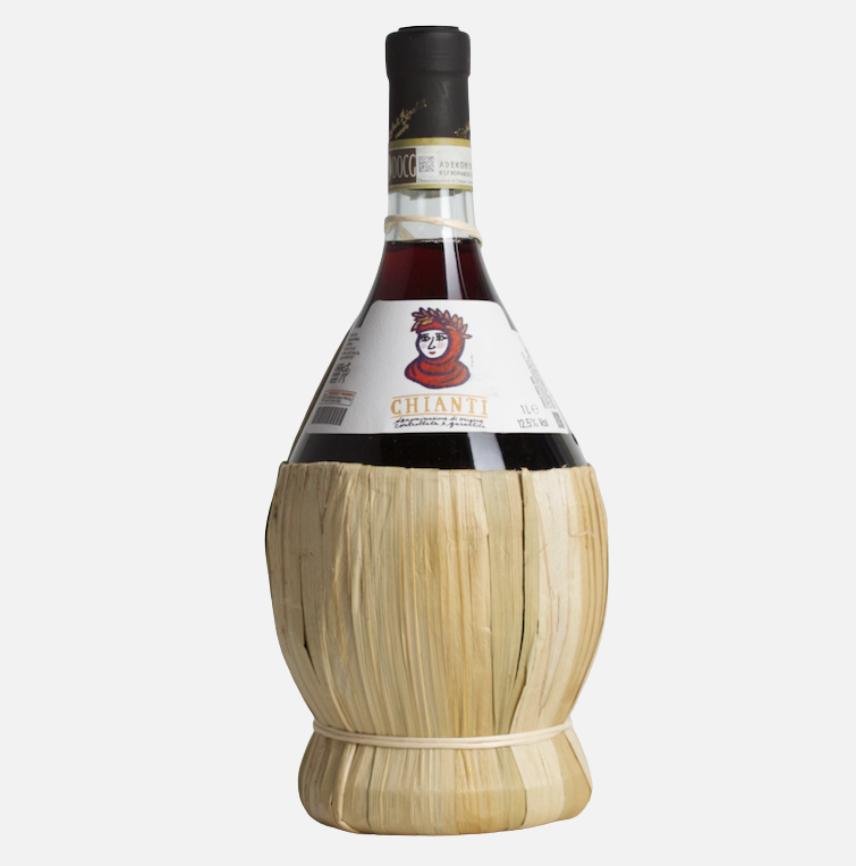
Region of Italy: Tuscany
Producer: Casale
Vintage: 2021
Vitigno: Sangiovese
An elegant Chianti made with Casale, an estate founded in 1770 and biodynamic since 1995. A fruit generous expression bottled in the traditional 1 litre fiasc boasting freshness, elegance and soft savouriness.
Service Tips: share…or not.
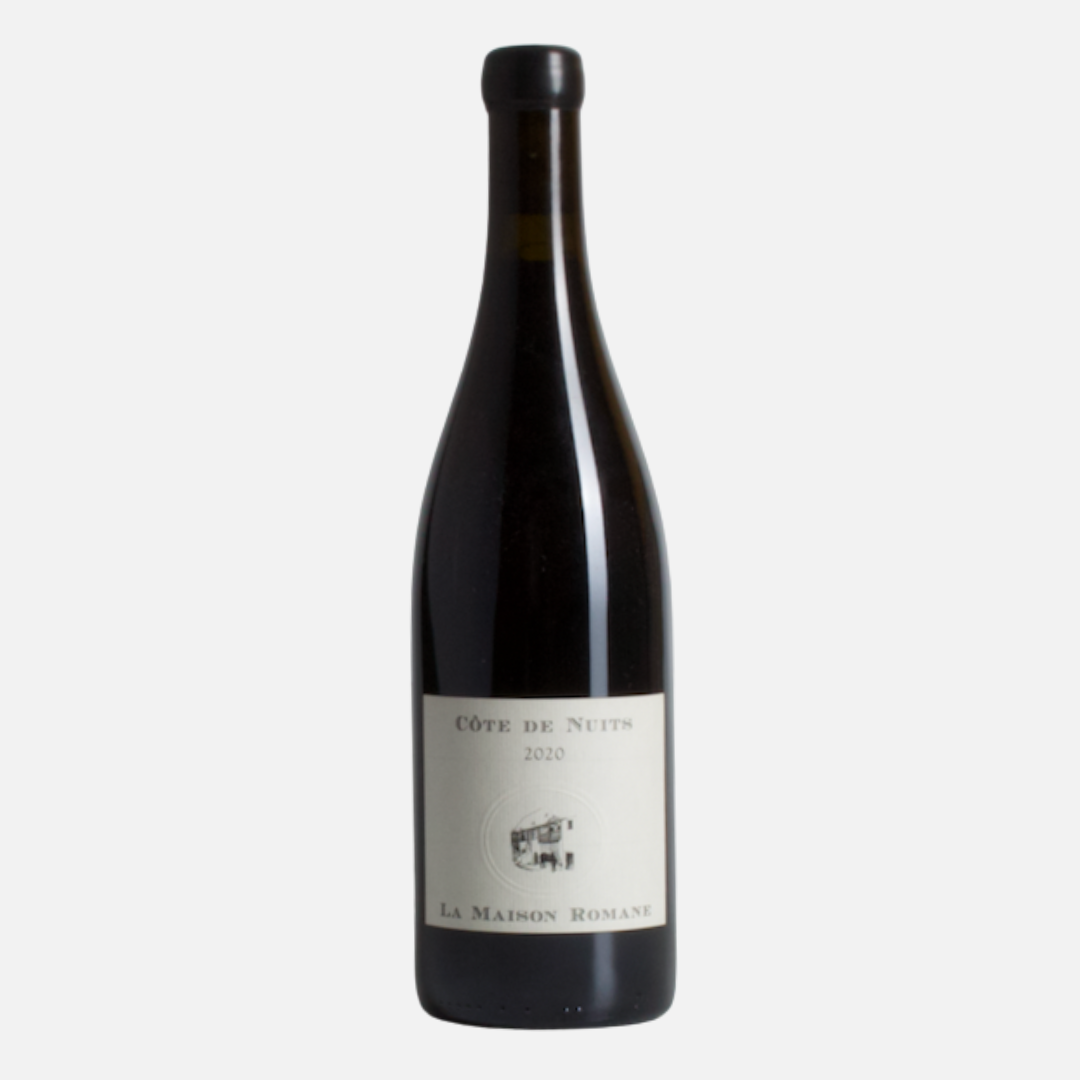
Region of France: Burgundy
Producer: La Maison Romane
Vintage: 2021
Vitigno: Pinot Noir
From forty-year-old Pinot Noir vines in Brochon, just beside Gevrey-Chambertin, grown on clay and limestone soils. Whole clusters ferment naturally in oak for three weeks, followed by twelve months of ageing in used barrels. Only 1,115 bottles made — round and concentrated yet remarkably fresh, precise, and mineral.
Between 2001 and 2004, Oronce de Beler worked for La Revue du Vin de France before studying oenology in Beaune, where he met Jeremy Seysses of Domaine Dujac. Offered grapes from new family parcels, Oronce produced his first vintage in 2005 with one Villages and one Premier Cru. He also began ploughing vineyards with horses for leading biodynamic growers, forging relationships that later shaped his négociant project, Maison Romane. Working biodynamically and naturally, he sources fruit from old vines across the Côte d’Or and Chablis. His wines, made without selected yeasts or filtration, combine energy, finesse, and soulful Burgundy authenticity.


Region of Italy: Piemonte, Roero
Producer: Benotti Rosavica
Vintage: 2024
Vitigno: Nebbiolo
This is the style of Langhe Nebbiolo I have been looking for for years: a lighter and younger Nebbiolo with no oak as was traditional in this area ( we are in Roero, Langhe) according to some books from the 1800s. The soils here are sandier than in the southern part of Langhe and as a result, the wines have a little less shoulder but very pretty perfumes.
This Nebbiolo goes under an 8 days maceration in cement with very few pumps over, in order to avoid too much extraction; then finishes to ferment and age in cement.
This is a tiny producer I had the luck to meet through our common friend Olek Bondonio; The two family vineyards, Bric in Priocca and San Michele in Govone are both located at about 250m a.s.l and together comprise a little under 1 ha; here Nebbiolo was co-planted with Barbera and Dolcetto - a common practice of the old days - but the different varieties are and always have been harvested and processed at different times.

Region of France: Languedoc-Roussillon
Producer: La Sorga
Vintage: 2020
Vitigno: Pinot Noir
100% Pinot Noir macerated for around 3 weeks on skins and aged in Clayver (stoneware amphora). Pure, pristine fruit that sits somewhere between light-medium with juicy undertones and minerality "glou glou" is drinking wine the for the people.
Antony Tortul started La Sorga in 2008 as a pure négociant in Languedoc-Roussillon, sourcing organic or biodynamic grapes from old vineyards from Gaillac to Chateauneuf-du-Pape, the Languedoc being his favourite vinous playground. Antony is extremely rigorous in his selection of vineyards and is always looking for exceptional terroirs. He works with over 40 vineyards of different soils, grape varieties and vine ages (between 25 to 110 years old) ... little wonder that he produces so many labels (and I only import a few of them!) Antony vinifies in his cellar in Béziers, with only wild fermentation, no fining or filtration nor added SO2
Service tips: Slightly chilled

Region of Italy: Piemonte
Producer: Cascina Tavjin
Vintage: 2019
Vitigno: Grignolino
This lable is dedicated to Ottavio, Nadia's dad.
Grignolino from young vines planted over sand, silt and limestone. Destemmed grapes macerated for two months in stainless steel before being pressed off info cement tanks. Very pale red with amazing flavours of blood orange and chinotto.
The name of this variety comes from the word "grignole", dialect for pips as this grape presents numerous seeds, more than most other varieties. Light in colour but with a great tannin structure, both from skin & pips, this is a very much loved grape by piedmontese people. Grignolino is stimulating, full of aromas and flavours of berry, herbs and spices with bright acidity and freshness.
Service tips: Serve it at 14 C with Battuta di Manzo "Beef Tartare". Beetroot tartare and button mushroom.

Region of Italy: Piemonte
Producer: Cascina Tavjin
Vintage: 2020
Vitigno: Slarina
This wine is from a younger vineyard planted over clay at altitude in Pinerolo. The vineyard, farmed by a friend of Nadia’s, is planted with ten different varieties, as well as plenty of fruit trees. Destemmed grapes, fermented for two months on skins. Very perfumed wine with lovely herbs and spices.
The name might come from the Piedmontese word sinréna (in Italian cenerina, a reference to the bloom that commonly appears on this red grape’s skin (ceneri means ashes in Italian, hence the association with bloom, the powdery deposit sometimes found on the berries). This variety was nearly extinct after as many plantings were removed in favor of Barbera in the early 1900s.
Service tips: Battuta di Fassone

Region of Italy: Piemonte
Producer: Cascina Tavjin
Vintage: 2020
Vitigno: Ruche’
The grapes are fermented whole bunch for about two months before resting in concrete. This comes from younger vines and the first parcel to be harvested. Fresh and dry !
A study of Ruche’s DNA in 2016 revealed that closely relates to two typically northern Italian varieties, Croatina and the now extinct Malvasia Aromatica di Parma. This variety is mid to early ripening, accumulate sugars well and, despite the low acidity it retains a good share of malic acid that gives the wine freshness. It has got plenty of tannins, that generate the wine’s structure. The taste is unique and particular, structured and generous. Semi aromatic style with notes of faded rose, violet and spices (pepper for instance) on top of fruit like blackberry, raspberry and ripe plums. T
Service tips:

Region of Italy: Piemonte
Producer: Cascina Tavjin
Vintage: 2020
Vitigno: Ruchè
Cascina Tavijn's "Teresa" is a pure Ruché grape of Nadia Verrua. A label always dedicated to her Mother Teresa. After the manual harvest with careful selection, the grapes are destemming, and the spontaneous alcoholic fermentation takes place in steel containers with maceration on the skins for about 2 months to finish for over a year in an old barrel. An authentic and true Monferrato which smells of freshly pressed grapes, cut grass and wild blackberries. A rich and light sip at the same time, concentrated and deep with a rustic finish. A freshly squeeze countryside smell in the glass. Nadia In her early years, she produced wines under the region's DOC and DOCG labels, but has progressively abandoned these designations to free herself of their limitations.
Service tips: Serve it at 14 C with Tagliatelle Bolognese. Chinese mild Sichuan hotpot.

Region of Italy: Lazio
Producer: Le Coste
Vintage: 2022
Vitigno: Predominantly Sangiovese with little Ciliegiolo, Syrah, Merlot and other local varieties
After harvest, the red grapes are left on to macerate on their skins for about 20 days, during this time fermentation takes place. Dry, juicy , cherry fruit driven flavours and a cool luscious/viscous feeling on the palate. A little funky in the end. More than totally enjoyable.
Service tips: Serve it at 12 C with Cured meat and cornichon. Grilled vegetable with homemade mayo and ketchup.

Region of Italy: Abruzzo
Producer: Luca Bevilacqua
Vintage: 2020
Vitigno: Montepulciano
Luca Bevilacqua is a young winemaker (and professional sommelier since 20 years) based in Atessa Val di Sangro, Abruzzo. 2020 is his 4th vintage and it’s already boom!
100% Montepulciano destemmed and fermented in fiiberglass with a submerged cap for about two weeks, then aged in stainless steel. Intense ruby colour, ripe cherry and blackberry with prominent spice notes.
Service tips: With “tacconcelli ai fagioli”, little square handmade pasta with tomato sauce, and black bean slow-cooked in clay pot next to charcoal fireplace.

Region of Italy: Lazio
Producer: Le Coste
Vintage: 2020
Vitigno: Sangiovese (locally called Greghetto)
Gianmarco and Clementine met in France while working for the legendary Bruno (Gerard Schueller) in Alsace. After years of working together, they decided to move back to Gianmarco’s village of Gradoli on the shores of Lake Bolsena in Lazio on these volcanic soils. The giant wine-press has talked a lot of Etna and his volcanic soil, perhaps next will be Gradoli and the Le Coste Rosso a benchmark Sangiovese of Le Coste. Dark cherry, firm tannins and beautiful acidity, straight and complex. Nicely savory with mineral grippiness on the palate. Pure, vivid and delicious with nice complexity. Wine needs time. Form the old vines of the property in massal selection. Old barrel aging.
Service tips: Serve it at 12 C with a hen in tomato sauce.

Region of Italy: Sardegna
Producer: Panevino
Vintage: 2016
Vitigno: more than 20 varieties
From the pressing of all the vinifications of 2016. The name means in local language the voice of the skin. Gianfranco is having fun again with a name and a label, making us reflect on the versatility of a term which, despite the national languages, always has the same meaning: Boxi e Croxiu is the act of imprinting a character and an identity in wine as well as the worlds in the printed paper . A true wine, in the Panevino style, Mediterranean, intense and immense.
Service tips: Maialetto with friends.

Region of Spain: Conca de Barbera DO “Catalonia”
Producer: Joan Ramon Escoda and Carmen Sanahuja
Vintage: 2021
Vitigno: 50% Sumoll and 50% Merlot
Cabernet franc blended with sumo and merlot in equal parts, aged in a large format very old Spanish clay amphora. Joan Ramon he also co-founded the ‘Brutal’ label which invites winemakers from all over the world to create SO2 free wines under one label. He is a true champion of the Spanish natural wine movement and you can really feel his passion when experiencing the wines.
Service Tips: Serve at 16C with pepper steak and seaweed butter or “Cap I Pota”, a local stew of offal, tripe, ham hocks or veal head simmered until soft.

Region of Spain: Conca de Barbera DO “Catalonia”
Producer: Joan Ramon Escoda and Carmen Sanahuja
Vintage: 2017
Vitigno: Carignan (locally known as Samso) and Grenache
Completely de-stemmed, the grapes undergo a 10 day maceration before being transferred to neutral French oak tonneau for ageing. So much minerality and complexity is packed into the wine. A real treat! JR founded the Natural Wine Producers Association (PVN) where he actively participates in numerous events and tastings focused on natural wines from Spain and abroad, connecting likeminded individuals who share similar ideas around farming, winemaking, and philosophy.
Service Tips: Serve at 16C with calcot onions cooked over open fire wrapped in paper and served along side a bowl of romesco sauce (red peppers blitzed with nuts) or a simple lamb rack cooked in the oven.

Region of France: Padern in Corbières (Languedoc/Roussillon)
Producer: Maziere (Fabrice Monnin)
Vintage: 2015
Vitigno: Carignan
After many years running the well-known wine bar Les Zinszins du Vin in Besançon, Fabrice & Momoko Monnin moved to Padern. They took over ‘Maziere' from the Labouygues family making their first vintage in 2013. The vines all average between 60-100 years old, with some of the oldest planted in 1902. The grapes are processed through a vertical press and aged in old barrels. Vinification is done separately depending on grape variety and each barrel ages differently. Fabrice & Momoko pay specific attention to each barrel, not always topping them up. Fabrice explains how the similar soil characters to that of the Jura in Padern assist in the development of a ‘flor’ of yeast, which results in a very carefully controlled intentional oxidation of the wine. As a result this wine shows a unique singularity and purity with depth, concentration and complexity alongside elegance, freshness and an extreme drinkability.
Service tips: Serve it at 16 C with same charcoal grilled game meat.



Region of Italy: Piemonte
Producer: Chinati Vergano
Mauro Vergano worked for many years as a chemist for one of Italy’s top pharmaceutical companies, developing flavors and aromas. Americano is a traditional bitter apéritif from Piemonte. A play on the French amér, or bitter, it is similar to a Vermouth, but usually contains extra bitter components. Red wine-based Grignolino from Asti, blended with raw alcohol steeped in sugar, wormwood, savory, orange skin, gentian root and a host of dry Italian pantry herbs. A cult classic.
Service tips: We recommend serving this delicious Americano over ice with a slice of blood orange and a splash of soda - the ultimate aperitif.

Region of Italy: Piemonte
Producer: Chinati Vergano
Vermouth has a precise historical origin as a fortified and aromatized wine. Born in Turin in 1786, since then is become the most aperitif drink and ingredient for numerous cocktail. The name derives for the german word Vermuth translate in Absinthe which is one of the main component. The Mauro Vegano is having a wine base Moscato, and Cortese which gives the perfect balance between acidity and balance. Herbs, spice, and Absinthe contribute to the dramatization. Yellow clear, sweet, bitter and lots of fragrance on the nose.
Service tips: Great in your Negroni. Best on its own, maybe on the rocks after a busy day at work.

Region of Italy: Piemonte
Producer: Vergano
Barolo Chinato is perhaps Piemonte’s most famous digestif. Traditionally made with Barolo, it takes its name from the bark of quinine (or “China”) tree, which is the main botanical here. Vergano prefers to use a younger nebbiolo from Barbaresco, where the tannins not as firm and the perfume a little more lifted. The quinine bark gives the wine tea-like tannins, while herbs and spices like cinnamon, cloves, cardamom, coriander, bay, ginseng, and rhubarb (and more..) provide warmth and real interest.
Service tips: We recommend it as a digestive or with a nice dark chocolate
Region of Spain: Mallorca
Producer: Panduro
Vintage: 2022
Vitigno: Monastrell
A red made from 95% Monastrell and other ancient local varieties from an old vineyard on limestone soils in Valle Hoya de Torres, Jumilla at 800m altitude. Sixteen days maceration with mostly destemmed grapes. Aged six months in 500L used French oak tonneaux, it’s a light to medium body red, dark fruited, highly mineral and with a lovely tannin structure.
Originally from the Basque Country, Ibon began his winemaking journey in a restless, almost nomadic way, moving across Mediterranean regions rather than settling in one spot. Today his work spans both Mallorca and Murcia. A major turning point came in 2021, when he purchased his first vineyard, an old planting of callet and mantonegro near Felanitx, in the southeast of Mallorca.
In Jumilla, he works with mature monastrell vines and other local varieties in the Valle Hoya de Torres, using a similarly communal cellar located close to the vineyards.
Service tips: Cordero al horno (roast lamb)