PANDURO
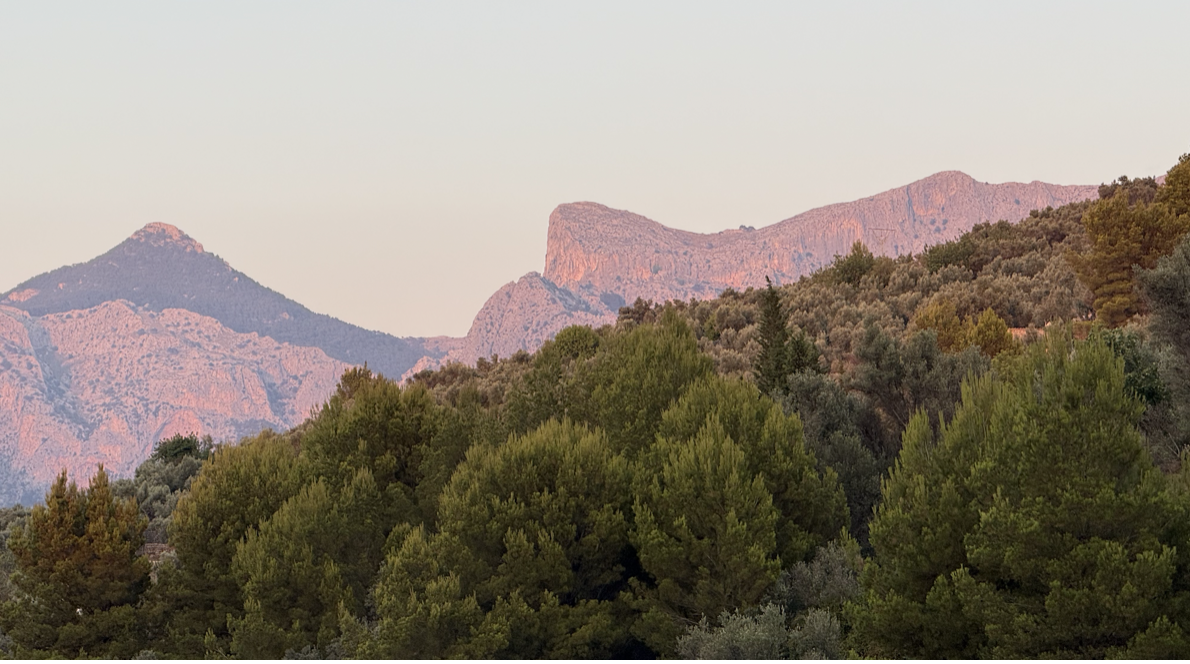
Mallorca, Baleares
Jumilla, Murcia
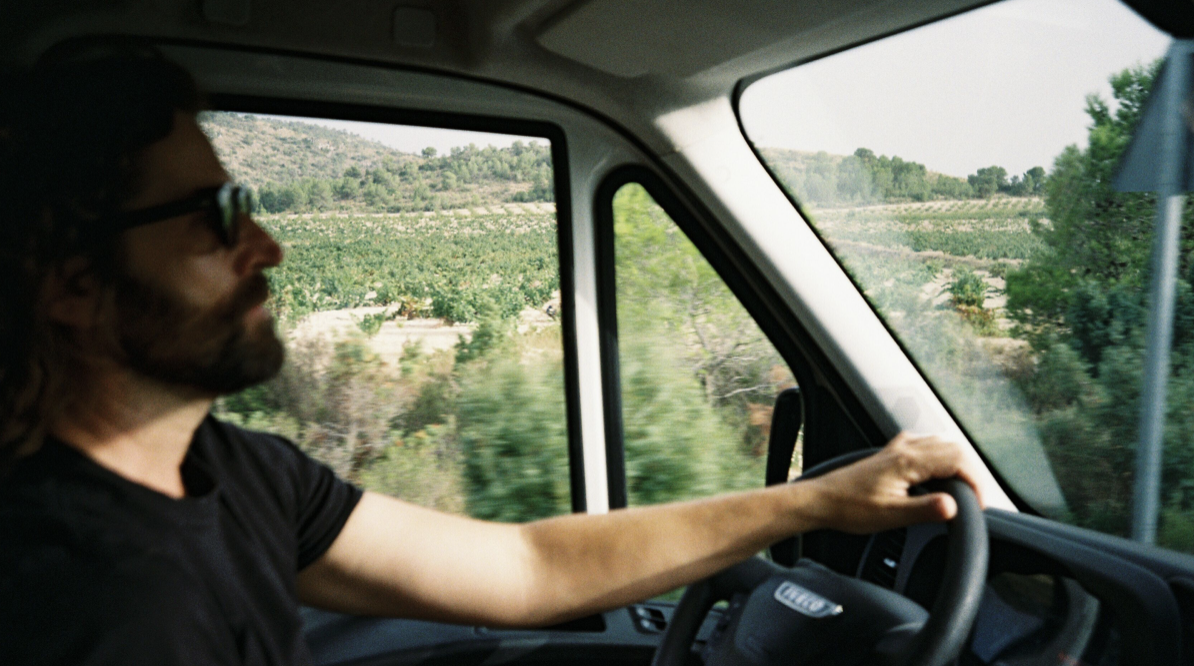
The first time I went to Mallorca for wine was because I wanted to visit a producer I deeply admire, Eloi from Sistemi Vinari, whose wines are distributed here by my friend Liz from Vivant. Eloi works out of a shared winery, the Ribot family cellar in Santa Margalida, where he makes wine alongside a small group of like-minded producers, including Cati Ribot herself and Ibon from Panduro, among others. The visit instantly inspired me and brought back memories of Les 9 Caves in Banyuls, a place built on sharing space, equipment, ideas, support, and customers, constantly evolving through dialogue. What fascinated me most was tasting wines made from the same grapes by different hands, each one completely distinct, shaped by personality as much as place. I was immediately drawn to Ibon’s wines and his compelling ability to interpret warm Mediterranean climates through finesse rather than force, crafting reds that favour lightness and lift, with freshness, mineral tension, and an effortless drinkability.

Originally from the Basque Country, Ibon began his winemaking journey in a restless, almost nomadic way, moving across Mediterranean regions rather than settling in one spot. Today his work spans both Mallorca and Murcia. A major turning point came in 2021, when he purchased his first vineyard, an old planting of callet and mantonegro near Felanitx, in the southeast of Mallorca.
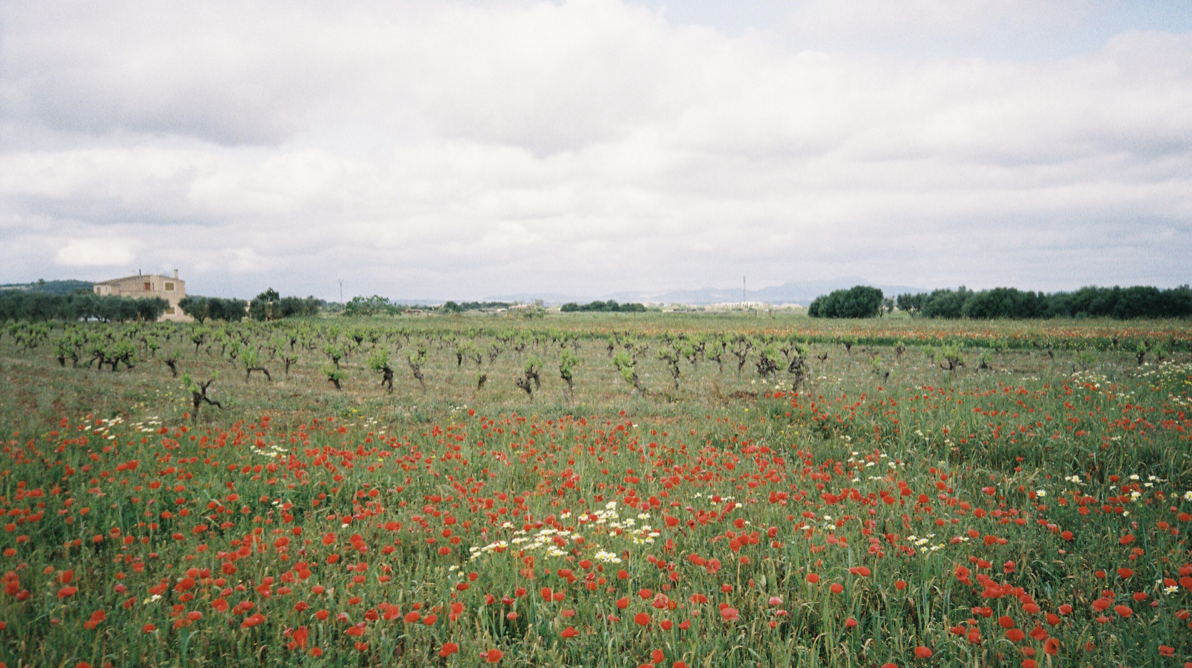
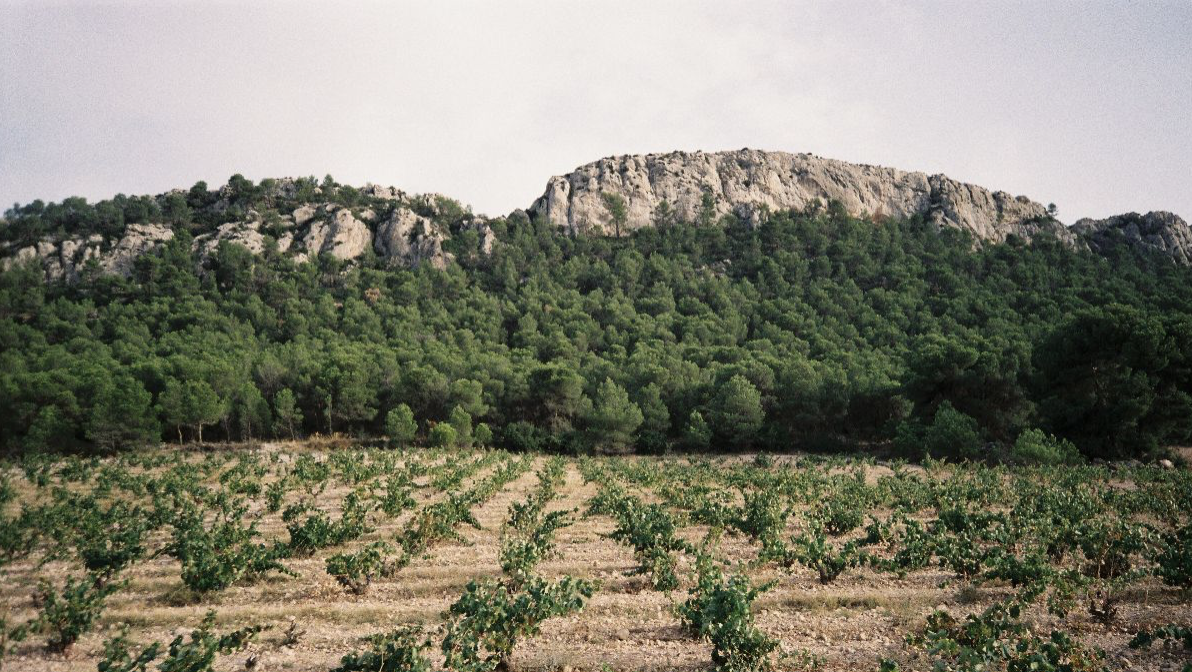
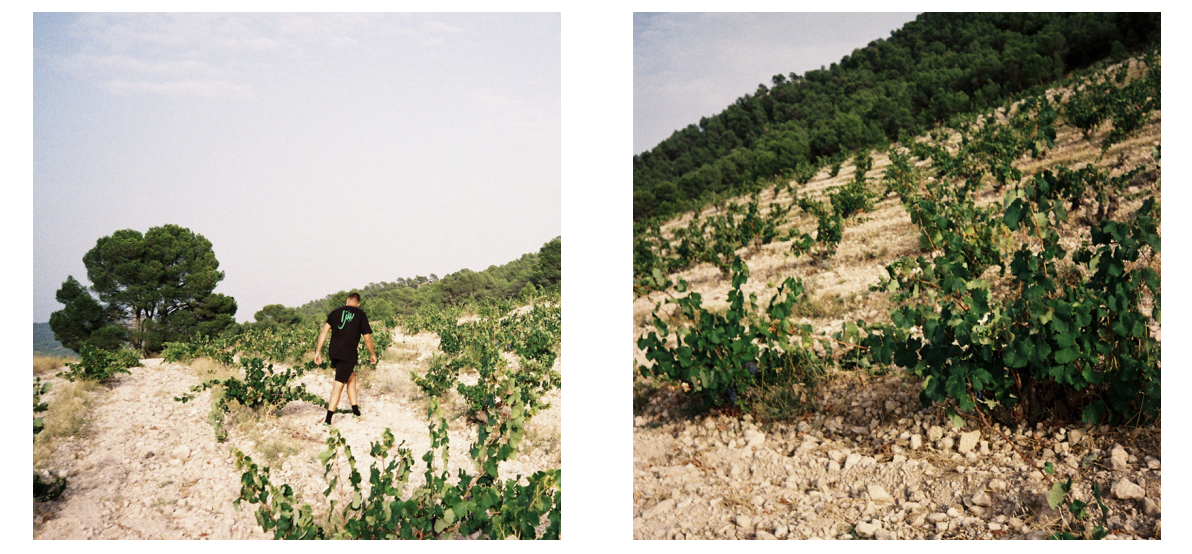
In Jumilla, he works with mature monastrell vines and other local varieties in the Valle Hoya de Torres, using a similarly communal cellar located close to the vineyards.
MALLORCA WINES
2024 Quarto

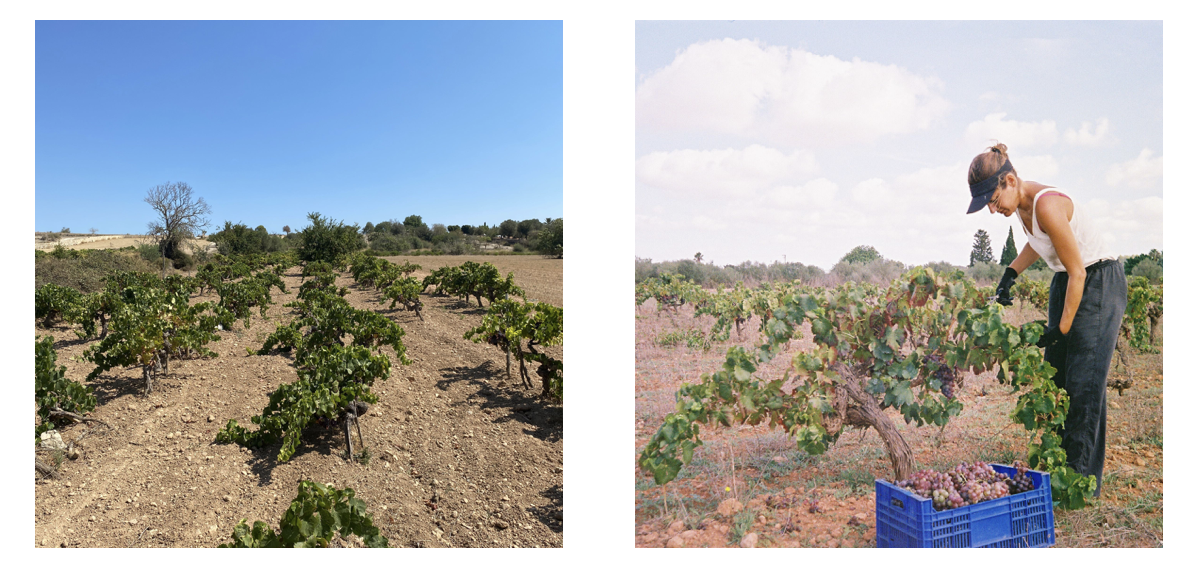
This delicate red is made from 100% Callet grown on clay-limestone soils in Sineu and Petra, Mallorca. Sixteen days of maceration, approximately 10% whole bunch layered "lasagna style" with destemmed grapes. Aged six months in 500L used French oak tonneaux, it’s a remarkable red—profound yet light, highly mineral, and brimming with Mediterranean garrigue spices.
2024 Quarterada

A remarkable light red made from 70% Callet and 30% Mantonegro from an old vineyard on clay-limestone soils in Felanitx and Porreras, Mallorca. Fourteen days maceration of grapes fully destemmed with some whole bunches. Aged six months in 500L used French oak tonneaux, it’s a profound red, light, highly mineral, and brimming with Mediterranean garrigue spice.
JUMILLA WINES
2023 Cuvee de en medio

A red made from 95% Monastrell and other ancient local varieties from an old vineyard on limestone soils in Valle Hoya de Torres, Jumilla at 800m altitude. 30% of the grapes were destemmed, the rest direct press, then co-maceration for 10 days. Aged six months in 500L used French oak tonneaux, it’s a light to medium body red, dark fruited, highly mineral and with a lovely tannin structure.
2022 Jumilla

A red made from 95% Monastrell and other ancient local varieties from an old vineyard on limestone soils in Valle Hoya de Torres, Jumilla at 800m altitude. Sixteen days maceration with mostly destemmed grapes. Aged six months in 500L used French oak tonneaux, it’s a light to medium body red, dark fruited, highly mineral and with a lovely tannin structure.