CLASSIC RED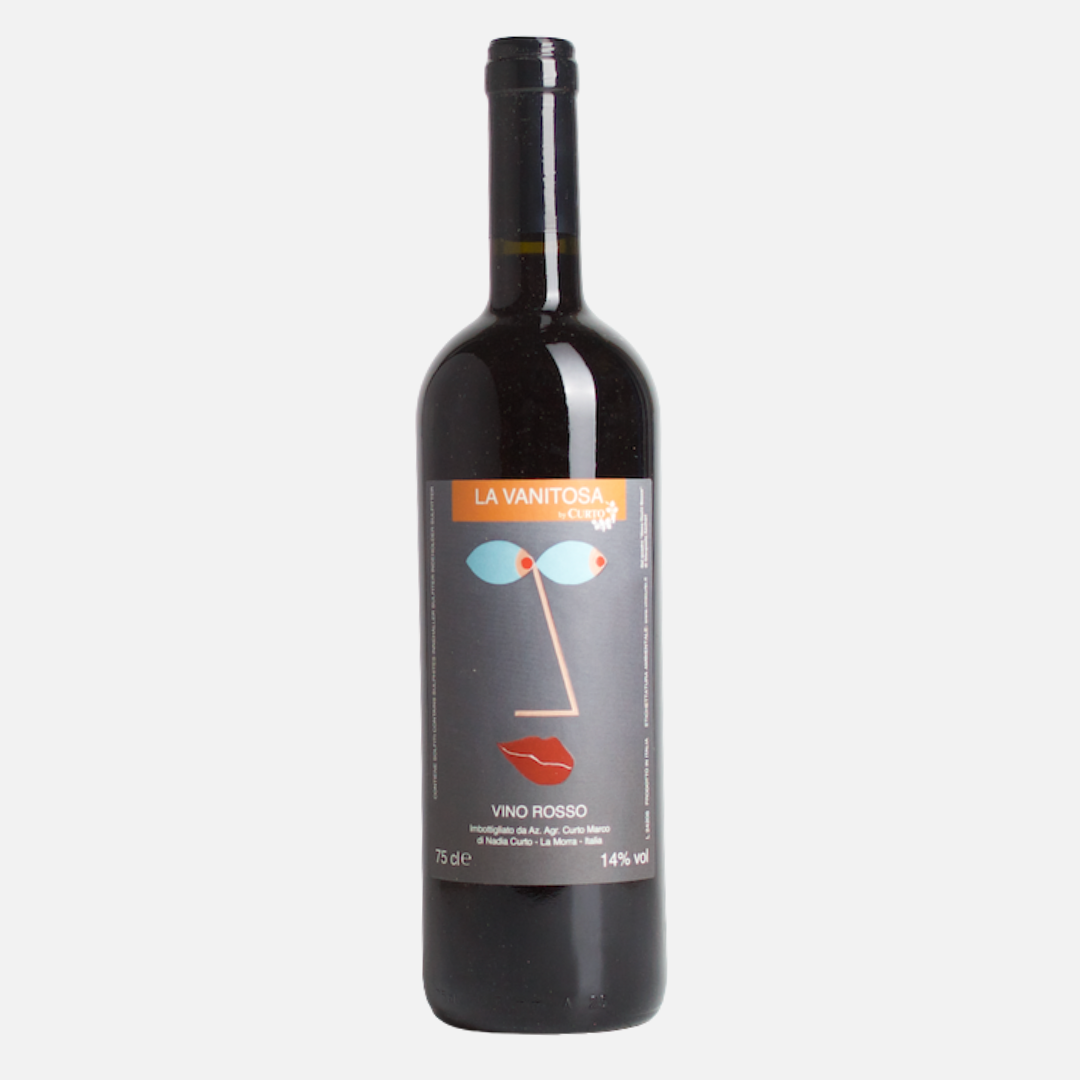
Region of Italy: Piemonte
Producer: Nadia Curto
Vintage: 2023
Vitigno: Barbera, Nebbiolo
Barbera from eighty-year-old vines and Nebbiolo from younger plantings, vinified together in stainless steel with a short maceration. The old Barbera brings fruit, depth, and elegance, while the young Nebbiolo adds tannic grip and youthful exuberance.
Nadia’s family has farmed four hectares organically in the prized Arborina cru of La Morra for generations. Most vines are around eighty years old, planted mainly to Nebbiolo with smaller parcels of Barbera, Dolcetto, and Freisa. After earning a degree in economics, Nadia chose to follow her uncle, Elio Altare, one of Barolo’s most influential figures. Combining his modernist influence with traditional methods, she produces two interpretations of Arborina: La Foia, with long maceration and large oak ageing, and Arborina, aged in French barriques. Her wines show purity, energy, and exotic spice—expressions both precise and deeply rooted in La Morra.

Region of Italy: Valtellina
Producer: Arpepe
Vintage: 2023
Vitigno: Nebbiolo
Alpine Nebbiolo sitting at a light to medium weight. Fresh, vibrant expression with grippy tannins. Enjoy over a few days and watch the wine develop more flavor and body.
Service tips: Decant and serve with rustic pasta and a side of braised greens.

Region of Italy: Veneto
Producer: L'Arco
Vintage: 2022
Vitigno: Corvina, Rondinella, Molinara & small amounts of Sangioveto and Teroldego.
A beautiful little introduction to Valpolicella wines. It is a medium-bodied red for all meals and has great drinkability. A wine for people looking for smoothness and softness (but great spiciness and complexity!).
Service tips: Serve it at 16 C with meat sauce pasta and pizza with meat topping. Salami and Prosciutto along with sourdough bread.

Region of Italy: Barbaresco
Producer: Olek Bondonio
Vintage: 2022
Vitigno: Barbera
Barbera from d’Asti that is from nearly 50 year old vines. This cuvee spends around a month on skins and has a short amount of time in old botti - this is to keep the plump fruit weight in full view. The grapes are picked at optimal ripeness to retain the freshness and acidity that this variety is always known for. Bright and bountiful, be quick.
It was only 17 years ago when Olek Bondonio started making his own wine. He relocated to his parent’s summer home in Barbaresco, “La Berchialla”, a property that had been in the family for over 200 years. Since the estate's first vintage in 2005, he has remained committed to working with the least amount of chemical input in both the vineyard and in the cellar. This groundwork makes for healthy fruit that allows him to adopt a hands-off approach after harvest - he works strictly with indigenous yeasts and minimal additions of sulphur. He cultivates barbera, dolcetto and nebbiolo.

Region of Italy: Sicilia
Producer: Nino Barraco
Vintage: 2019
Vitigno: Pignatello, with a splash Nero d’Avola
Pignatello otherwise known as Perricone was once the local heavy height, specially grown within the Marsala region. Nino farms his in sandy loam near the Mediterranean. As always with these wines the salinity is persistant across the palate, and this blend beams with dark fruits and subtle tannin. Autumnal drinking sorted.
Service tips: The last of summers nightshades and grilled meats.

Region of Italy: Sicilia
Producer: Nino Barraco
Vintage: 2020
Vitigno: Nero d’Avola
Sicily is well known for its Nero d’Avola and this wine lives up to the hype. Grown organically alongside the ocean in Marsala. There is no oak here, just pristine bright fruit on show. Its medium bodied with great acidity and vitality. This wine is aged in bottle and ready to be enjoyed.
Service tips: Serve with grilled meats and vegetables.

Region of Italy: Veneto
Producer: L'Arco
Vintage: 2022
Vitigno: Corvina, Corvinone, Rondinella, Molinara,..
The Estate takes its name from a stone arch, called “Arco di Giove”, located on the road to Negrar (one of the seven historic Valpolicella communes) and near the farmhouse where the Fedrigo family is located. The arch, dating from 1500/1600, was one of a series of seven arches along the hillside path near S. Vito di Negrar. Luca Fedrigo worked for 11 years for the prestigious Quintarelli winery before starting his own business. Valpolicella Ripasso is a fruity, slightly off-dry, complex red wine. Out of all the local grapes, Corvina is generally regarded as the finest and is certainly the most traditional. Depending on the vintage, 15-20% of potential Amarone (the barrels that don’t make the long aging required by Luca), a wine made from 100% 120 days air-dried grapes, is blended into a wine where grapes have not seen any ‘appasimento’ processes.
Service tips: Serve it at 16 C with meat sauce pasta. Sichuan Noodles. slightly robust spicy Asian dishes.

Region of Italy: Veneto
Producer: L'Arco
Vintage: 2017
Vitigno: Corvina, Rondinella, Molinara
Amarone is one of the most prestigious red wines of Italy. The Amarone style was developed as Valpolicella’s wine producers were looking for a way way to increase the body, complexity and alcohol of their wines, as the local varieties were aways considered a bit ‘weak’; the solution was the ‘appassimento’, naturally air drying.
This Amarone comes from the best grapes, carefully selected and then placed in ‘cassette’ where to dry naturally for about 120 days. After the ‘appassimento’ the grapes are pressed, fermented and aged in medium to large format barrels; not all the barrels will make it through the long ageing as only the best will be Amarone. An extraordinary wine, tied to Valpolicella’s traditions, traditionally off-dry, beautiful with age. Decanting this wine is recommended.
Service tips: Serve it at 18 C with stews and roasts, game and seasoned cheeses.
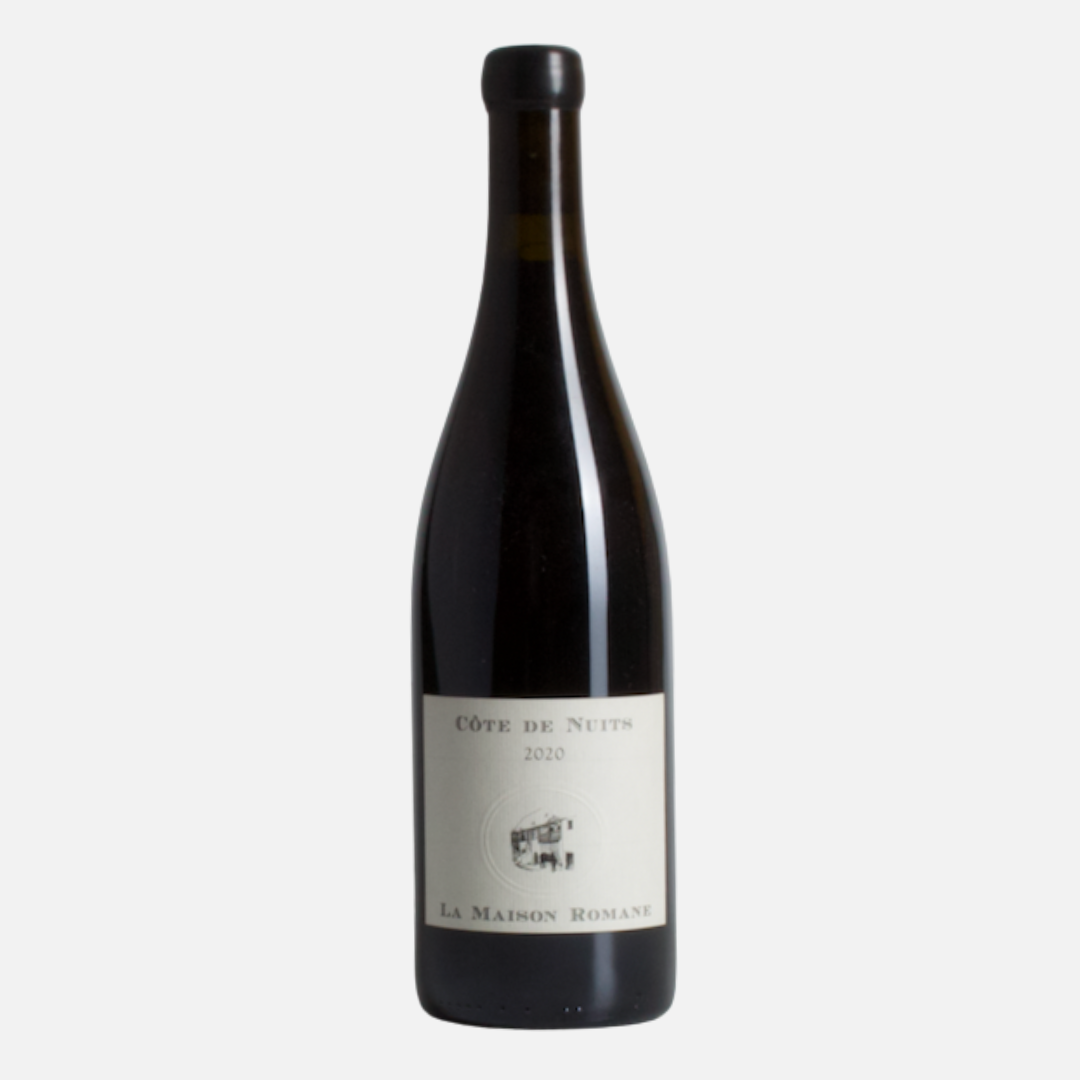
Region of France: Burgundy
Producer: La Maison Romane
Vintage: 2021
Vitigno: Pinot Noir
From forty-year-old Pinot Noir vines in Brochon, just beside Gevrey-Chambertin, grown on clay and limestone soils. Whole clusters ferment naturally in oak for three weeks, followed by twelve months of ageing in used barrels. Only 1,115 bottles made — round and concentrated yet remarkably fresh, precise, and mineral.
Between 2001 and 2004, Oronce de Beler worked for La Revue du Vin de France before studying oenology in Beaune, where he met Jeremy Seysses of Domaine Dujac. Offered grapes from new family parcels, Oronce produced his first vintage in 2005 with one Villages and one Premier Cru. He also began ploughing vineyards with horses for leading biodynamic growers, forging relationships that later shaped his négociant project, Maison Romane. Working biodynamically and naturally, he sources fruit from old vines across the Côte d’Or and Chablis. His wines, made without selected yeasts or filtration, combine energy, finesse, and soulful Burgundy authenticity.
Region of Italy: Piemonte
Producer: Nadia Curto
Vintage: 2023
Vitigno: Nebbiolo, Dolcetto
Dolcetto from eighty-year-old vines and Nebbiolo from younger plantings, vinified together in stainless steel with a short maceration. The old Dolcetto brings fruit but also depth while the young Nebbiolo adds tannic grip and youthful exuberance.
Nadia’s family has farmed four hectares organically in the prized Arborina cru of La Morra for generations. Most vines are around eighty years old, planted mainly to Nebbiolo with smaller parcels of Barbera, Dolcetto, and Freisa. After earning a degree in economics, Nadia chose to follow her uncle, Elio Altare, one of Barolo’s most influential figures. Combining his modernist influence with traditional methods, she produces two interpretations of Arborina: La Foia, with long maceration and large oak ageing, and Arborina, aged in French barriques. Her wines show purity, energy, and exotic spice—expressions both precise and deeply rooted in La Morra.